Contents:
- How Satin Benefits Your Hair: The Friction Factor
- Is Satin Good for Hair? Comparing Satin to Cotton Pillowcases
- Types of Satin Hair Products and Their Benefits
- Satin Pillowcases
- Satin Sleep Bonnets
- Satin Hair Wraps and Durags
- Satin Scrunchies and Hair Ties
- The Seasonal Timeline for Satin Hair Care
- How to Care for Your Satin Products
- Other Hair Care Benefits: Beyond Sleep
- FAQ: Common Satin Hair Questions
- Does satin really prevent hair breakage?
- Can I use satin for all hair types?
- Is silk better than satin for hair?
- How soon will I notice a difference?
- Do satin sleep bonnets work better than pillowcases?
Why do you wake up with crease marks on your face and tangled, frizzy hair after sleeping on a cotton pillowcase? Why does your hair break when you roughly brush it after sleeping? Could a simple change of pillowcase fabric actually make a difference? Is satin good for hair? The answer is yes—and the science behind it is solid. Satin pillowcases, sleep bonnets, and hair wraps have become staples in serious hair care routines, and they’re not just a trend.
How Satin Benefits Your Hair: The Friction Factor
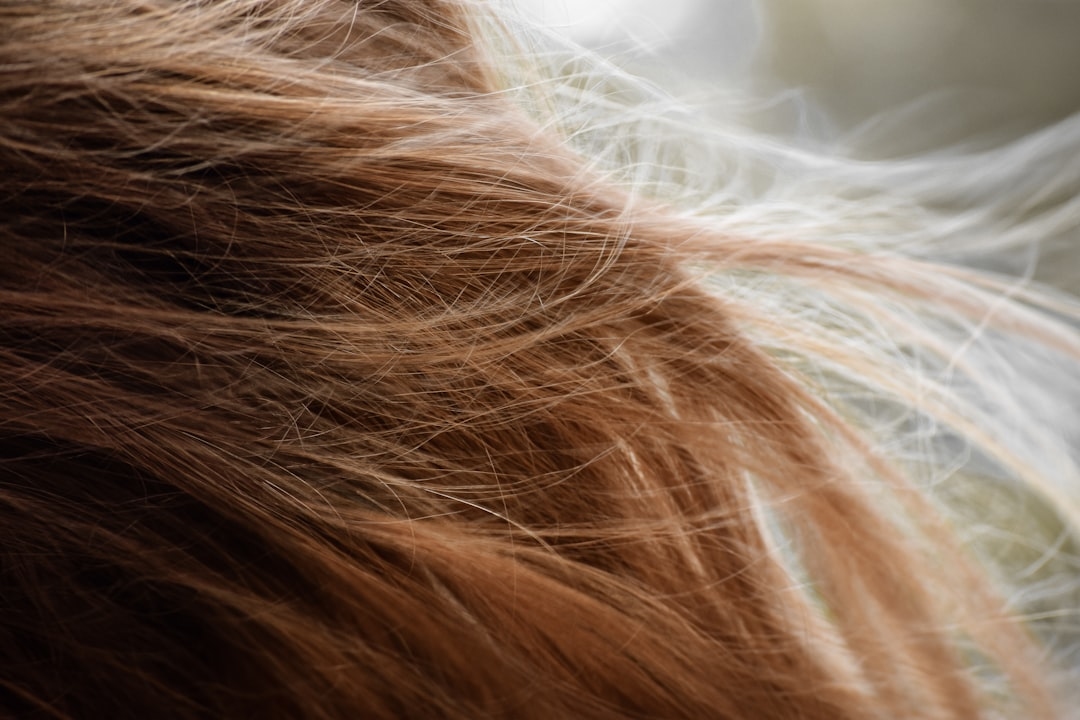
Cotton and regular fabrics have a rough, woven texture with tiny fibers that stick out microscopically. When your hair slides across cotton throughout the night, these rough fibers grab and pull at your hair strands, causing friction. This friction leads to breakage, frizz, and split ends. It also messes up your curl pattern if you have naturally curly or textured hair.
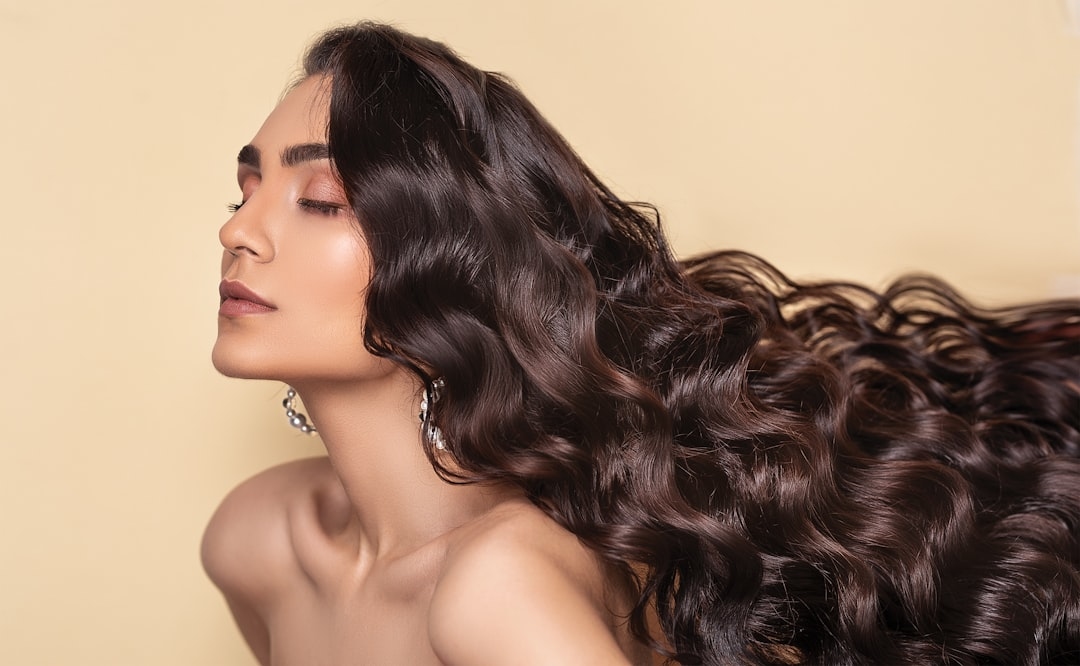
Satin, by contrast, has a smooth, tightly woven surface with a soft sheen. Hair glides across satin with minimal friction. Your strands remain aligned and undisturbed. Over months of using satin pillowcases, you’ll notice significantly less breakage, less frizz, and better curl definition (if you have curls).
This isn’t a minor cosmetic difference. Research shows that the amount of friction your hair experiences directly correlates to mechanical damage. Reducing friction by sleeping on satin can cut nighttime hair breakage by 30-50% depending on your hair type and how aggressively you move during sleep.
Is Satin Good for Hair? Comparing Satin to Cotton Pillowcases
Cotton has been the standard pillowcase material for centuries. It’s breathable, durable, and affordable (typically £5-15 per pillowcase). But cotton isn’t designed with hair health in mind.
Satin pillowcases (£15-40 depending on quality) require more care—they can’t go in hot water, can’t be tumble-dried, and need gentle handling. However, they last years with proper care. More importantly, they deliver measurable hair and skin benefits.
Here’s the practical comparison:
- Friction level: Cotton = high friction; Satin = minimal friction
- Moisture retention: Cotton absorbs moisture from your hair and skin; Satin doesn’t absorb, so your hair retains its natural moisture and styling product
- Heat dissipation: Cotton absorbs and holds heat; satin stays cooler, which is valuable during summer months (June-August in the UK)
- Durability: Cotton pillowcases last 1-2 years; quality satin lasts 3-5 years
- Maintenance: Cotton tolerates hot water and machine drying; satin needs cold water and air drying
- Cost per year of use: Cotton = £2.50-15/year; Satin = £3-8/year when amortised over 4 years
The verdict: satin is objectively better for hair health. Cotton is better if you want zero maintenance and don’t care about hair breakage.
Types of Satin Hair Products and Their Benefits
Satin Pillowcases
The most accessible satin product. One pillowcase costs £15-30 for decent quality. You only need one (or two if you wash weekly). Simply replace your regular pillowcase and experience reduced morning frizz within days. High-quality satin pillowcases from brands like Mulberry Park or Slip are £40-60 but last 5+ years.
Satin Sleep Bonnets
These fabric caps wrap around your entire head and hair, protecting all angles. They’re ideal for women with long hair, braids, or protective styles. They cost £12-25 and work particularly well from September through March when indoor heating dries out hair. Sleep bonnets keep your style intact overnight and prevent frizz better than pillowcases because they cover completely.
Satin Hair Wraps and Durags
Popularised in hip-hop culture, satin durags and wraps are excellent for men and anyone with shorter hair. They keep your hairstyle defined overnight and reduce friction. Prices range £8-20. The wrap style is especially useful for maintaining wave patterns or fades.
Satin Scrunchies and Hair Ties
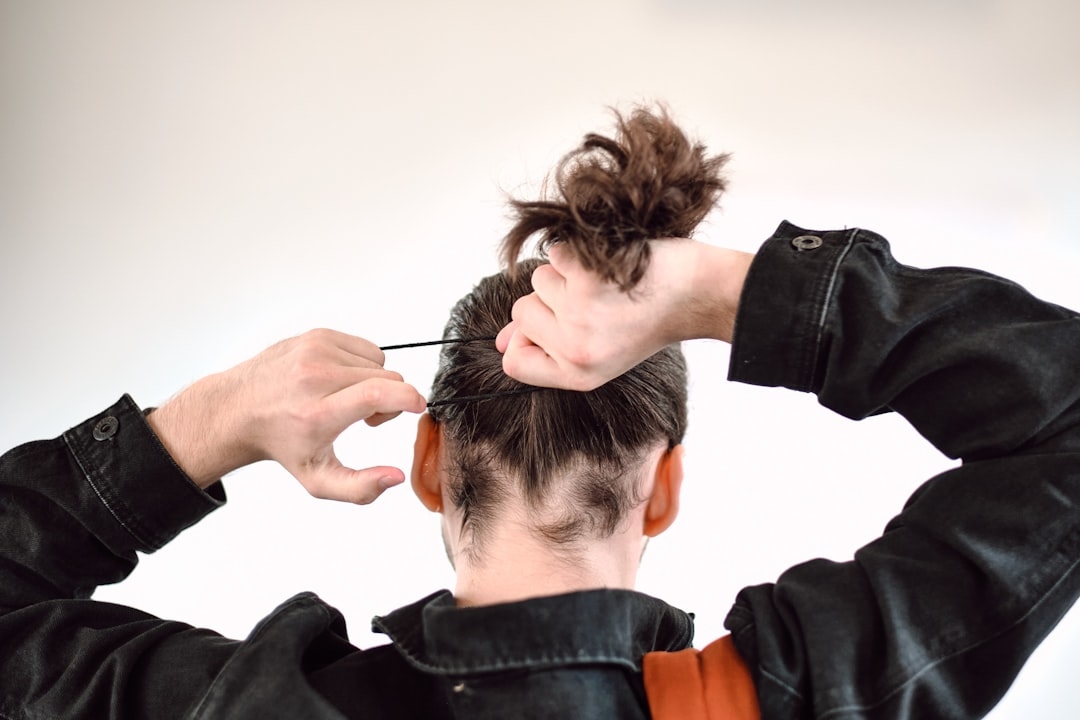
Regular elastic hair ties cut into hair strands, causing breakage and creases. Satin scrunchies (£3-8 each) eliminate this damage. Swap cotton scrunchies for satin immediately if you’re putting your hair in ponytails or buns. The difference is noticeable within weeks.
The Seasonal Timeline for Satin Hair Care
Satin benefits your hair year-round, but different seasons magnify different benefits:
Winter (December-February): Central heating indoors and cold air outdoors create a moisture-sapping environment. Satin’s ability to prevent moisture evaporation becomes crucial. Sleep bonnets are especially valuable. You’ll notice your hair hydration improves noticeably.
Spring (March-May): Increased humidity can make hair frizz. Satin’s smooth surface minimises moisture absorption from humidity, helping your style stay defined. If you’ve permed or coloured your hair, satin protection helps colour fade slower.
Summer (June-August): Heat and humidity are at their peak. Satin pillowcases stay cool (unlike cotton, which absorbs and holds heat). Swimming season also damages hair; satin minimises friction damage from wet hair rubbing against pillowcases at night after swimming.
Autumn (September-November): As humidity drops, satin’s moisture-retention properties help prevent your hair drying out. This is when many people transition back to sleep bonnets full-time.
How to Care for Your Satin Products
Satin requires gentle handling to last. Machine wash satin pillowcases on a delicate cycle (30°C maximum) using mild detergent. Never use hot water or bleach. Air dry completely—never tumble dry. Iron on low heat if wrinkled (though satin naturally wrinkles less than cotton).
Most satin lasts 3-5 years with proper care. Some people rotate two pillowcases and wash weekly, extending their lifespan. A £25 pillowcase lasting 4 years costs about £0.02 per day. Compare that to replacing a cotton pillowcase annually at £0.04 per day, and satin’s cost advantage becomes clear.
Other Hair Care Benefits: Beyond Sleep
Satin isn’t just for sleeping. Use a satin scarf or wrap when blow-drying to minimise heat damage. Wrap wet hair in satin rather than terry cloth to reduce friction as it dries. Store hair extensions or wigs on satin-lined surfaces to prevent tangling and breakage.
The principle remains constant: satin’s smooth surface means less friction, less breakage, and healthier hair.
FAQ: Common Satin Hair Questions
Does satin really prevent hair breakage?
Yes. Studies show satin reduces mechanical friction damage by 30-50% compared to cotton. The effect is most noticeable on longer hair, textured hair, and processed hair (coloured or permed).
Can I use satin for all hair types?
Absolutely. Satin benefits every hair type—fine, coarse, straight, curly, thick, thin. The friction-reduction principle applies universally. Curly and textured hair sees the most dramatic improvements in frizz reduction.
Is silk better than satin for hair?
Silk and satin have similar friction-reduction properties. Silk is more expensive (£60-150+ per pillowcase) and requires even more delicate care. For hair health, satin delivers 95% of silk’s benefits at 30% of the cost. Choose satin unless you specifically want silk for skin benefits.
How soon will I notice a difference?
You’ll see reduced frizz within 3-5 nights. Reduced breakage becomes evident within 2-4 weeks. Curl pattern improvement (if applicable) takes 4-8 weeks as healthier new growth emerges.
Do satin sleep bonnets work better than pillowcases?
Sleep bonnets provide more complete protection because they cover your entire head. If you move around during sleep or have long hair, a bonnet prevents your hair from sliding against the pillow at all. Pillowcases are easier to use and sufficient for most people. Use a bonnet if you have braids, extensions, or very long hair.