Contents:
- Why Short Hair Styling Matters More Than You Think
- Understanding Your Hair Type Before You Style
- Straight Hair: The Foundation
- Wavy Hair: Natural Texture
- Curly Hair: Maximum Texture
- Choosing the Right Short Hair Style for Your Face
- Classic Crew Cut
- Textured Crop
- French Crop
- Skin Fade
- Essential Products for Short Hair Styling
- Pomade: For Shine and Control
- Matte Clay: For Textured Looks
- Cream: For Flexibility
- Sea Salt Spray: For Texture and Movement
- Choosing Quality Products
- Step-by-Step Guide to Styling Short Hair
- Step 1: Start With Clean, Damp Hair
- Step 2: Apply Product Strategically
- Step 3: Style With Your Hands or a Brush
- Step 4: Add Final Definition
- Step 5: Allow Time to Set
- How to Maintain Style Throughout the Day
- Sustainable Grooming Choices for Short Hair
- Barber Visits and Cut Maintenance
- Common Styling Mistakes and How to Avoid Them
- Using Too Much Product
- Styling Completely Dry Hair
- Ignoring Your Hair’s Natural Pattern
- Never Washing Your Hair
- Choosing the Wrong Style for Your Face
- Addressing Specific Hair Challenges
- Receding Hairline
- Thinning Hair
- Cowlick or Stubborn Hair Direction
- Professional Anecdote: From Chaos to Confidence
- Frequently Asked Questions
- How long does it take to style short hair properly?
- Can I style short hair without product?
- How often should I wash short hair?
- What’s the best product for my hair type?
- How often should I get my hair cut?
- Moving Forward: Your Short Hair Journey
What separates a man with genuinely great-looking short hair from someone who merely has short hair? The answer lies in understanding how to style it with intention and technique. Short hair doesn’t mean low-maintenance—it means strategic maintenance. This guide reveals exactly how to transform your hair from ordinary to exceptional.
Why Short Hair Styling Matters More Than You Think
Short hair sits closer to your scalp, which means every millimetre counts. Unlike longer hair that can hide imperfections or casual styling choices, short hair demands precision. The good news? Once you master how to style short hair men, you’ll spend less time daily and achieve more consistent results than longer-haired counterparts.
Styling short hair isn’t just about running your fingers through it. It’s about understanding the relationship between your hair type, texture, and the specific cut you’ve chosen. A proper barber will give you a cut that works with your natural grain and growth patterns. From there, your job is learning to enhance what’s already been carefully engineered.
The typical man with short hair spends roughly 4-6 minutes daily styling, compared to 8-12 minutes for medium-length hair. But those minutes matter enormously for your overall appearance and confidence.
Understanding Your Hair Type Before You Style
Before discussing how to style short hair men, you need honest awareness of what you’re working with. Hair falls into several fundamental categories, and each responds differently to products and techniques.
Straight Hair: The Foundation
Straight hair is what it sounds like—hair that grows without natural waves or curls. It tends to be the most straightforward to work with because it responds predictably to products and holds styles reliably. Straight short hair can look sleek or textured depending on your styling choices.
Straight hair’s primary challenge is flatness. Without texture to work with, you need to create dimension through technique and product choice. The right styling approach prevents your hair from looking plastered to your head.
Wavy Hair: Natural Texture
Wavy hair has built-in movement—a natural advantage for creating texture. Your waves are genetic, and working with them (rather than against them) makes styling simpler. Many men with wavy hair find that how to style short hair men becomes easier once they embrace their natural pattern rather than fighting it.
Wavy short hair requires slightly different products than straight hair. You’ll need styles that enhance rather than flatten those waves.
Curly Hair: Maximum Texture
Curly hair has the most dramatic texture and presents unique styling challenges. The curl pattern varies widely—some men have tight curls, others have looser spirals. Understanding your specific curl pattern is essential before deciding on a style or products.
Curly hair tends to dry out more quickly than other types, so product selection becomes crucial for both hold and moisture balance.
Choosing the Right Short Hair Style for Your Face
Short hair styles have evolved considerably. The one-length buzz cut isn’t your only option. Modern men’s short hair styles range from highly textured to cleanly faded, with dozens of variations in between.
Classic Crew Cut
The crew cut remains one of the most versatile short styles. Hair is cut very short on the sides and back, roughly 6-12mm, while the top is left slightly longer at 25-40mm. This creates a natural gradient that’s forgiving and professional.
Crew cuts work brilliantly for all face shapes and hair types. They’re exceptionally low-maintenance while still looking intentional. Many men find this the sweet spot for how to style short hair men because minimal products are often required.
Textured Crop
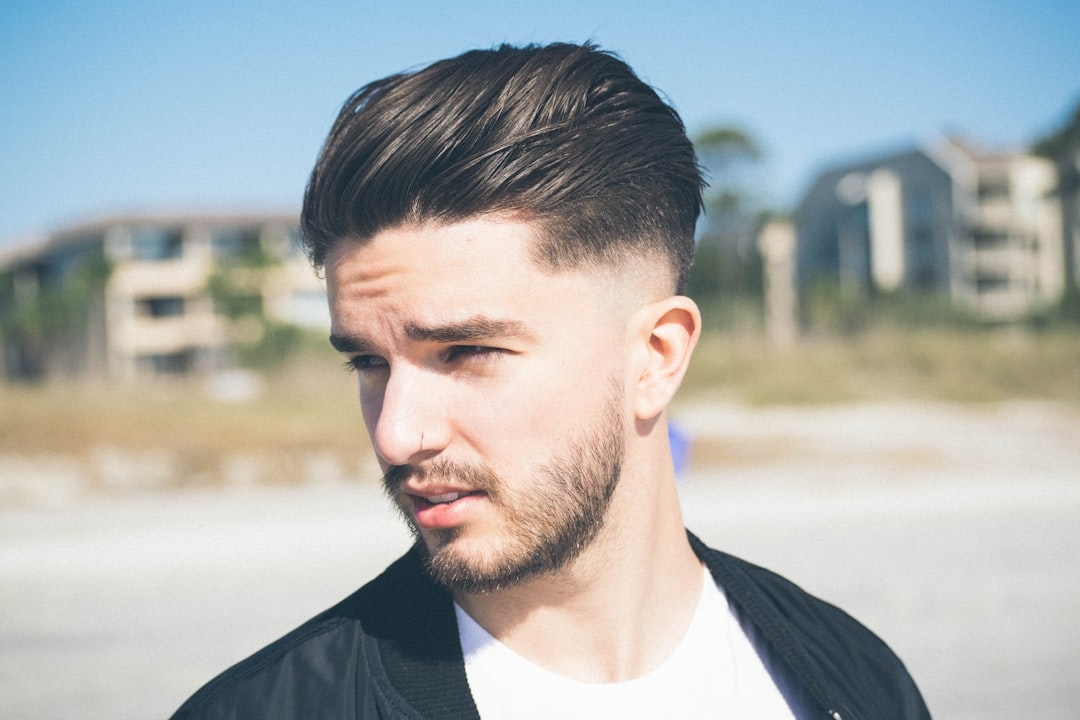
A textured crop keeps more length on top (typically 40-50mm) while maintaining shorter, faded sides. Rather than one uniform length, the top features varied lengths that create texture and movement. This style works particularly well for wavy or curly hair.
Styling a textured crop usually requires product to enhance and define the texture. It’s more involved than a crew cut but rewards you with a more distinctive appearance.
French Crop
The French crop is having a genuine moment in 2026. It features longer hair on top (50-60mm) with a distinctive flat fringe, whilst the sides remain short and clean. This classic style has returned because it genuinely works for modern aesthetics.
French crops demand slightly more styling attention than crew cuts but less than longer styles. The key is achieving the right balance between the flat top and faded sides.
Skin Fade
A skin fade takes the sides down to virtually nothing—often using a 0.5mm or 1mm guard—creating sharp contrast with longer hair on top. Skin fades are highly fashionable and require regular maintenance (typically every 2-3 weeks) to maintain the clean aesthetic.
How to style short hair men with a skin fade depends on the length you keep on top. Longer tops on skin fades typically need more product to maintain style throughout the day.
Essential Products for Short Hair Styling
Product choice determines whether your short hair looks intentional or accidental. The right products enhance your natural texture and hold your style without looking greasy or artificial.
Pomade: For Shine and Control
Pomade is the classic choice for defined, shiny styles. Traditional pomades contain oils and beeswax, creating a glossy finish and strong hold. A typical jar costs £8-15 and lasts 2-3 months with regular use.
Water-based pomades have become increasingly popular because they wash out easily with water. Oil-based pomades require shampoo but hold longer throughout the day. For short hair, either works—it’s about your preferred finish.
Application tip: Start with a small amount (roughly the size of a pea) and work it through your hair with your fingers. Pomade looks best when you can still see your natural hair texture underneath.
Matte Clay: For Textured Looks
Matte clay is ideal when you want a textured, piecey appearance without shine. It provides strong hold and works brilliantly for textured crops and more casual styles. Prices typically range from £7-14 for a 100g tin.
Clay works best on damp hair. Apply a small amount and distribute it evenly, then use your fingers to create separation and texture. The matte finish creates a deliberately undone appearance that feels modern and intentional.
Cream: For Flexibility
Hair cream splits the difference between pomade and clay. It provides gentle hold, some shine, and flexibility throughout the day. Cream is excellent for men new to how to style short hair men because it’s forgiving and won’t look overdone.
Creams cost £6-12 and work well for most short hair types. They’re particularly good for straight or wavy hair where you want a slightly more natural appearance than pomade provides.
Sea Salt Spray: For Texture and Movement
Sea salt spray mimics the texture created by salt water, adding grip and separation to your hair. It’s particularly valuable for straight hair, where creating natural-looking texture can be challenging. Prices range from £5-10 per bottle.
Apply sea salt spray to damp hair and either blow-dry or let it dry naturally. The salt provides light hold and texture without looking like you’ve used product. Many men use it as a primer before applying other products.
Choosing Quality Products
Avoid products designed for women or extremely cheap men’s products. Your hair deserves quality ingredients. Quality hair products for men typically cost £8-18 and include better-grade components that treat your hair more gently whilst providing reliable hold.
What the Pros Know: Professional barbers recommend building a small collection of products rather than relying on just one. Keep a matte clay for textured days, a pomade for when you want defined style, and a cream for everyday flexibility. Invest roughly £25-40 initially across three products, and they’ll last you several months. This approach gives you options and prevents boredom with a single look.
Step-by-Step Guide to Styling Short Hair
Step 1: Start With Clean, Damp Hair
Wash your hair with a quality men’s shampoo the night before styling, or the morning of. How to style short hair men begins with properly clean hair—product builds up on dirty hair and creates a greasy, lifeless appearance. Don’t over-wash; 3-4 times weekly is sufficient for most men.
After washing, gently towel-dry your hair until it’s damp but not dripping wet. Your hair should feel cool to the touch.
Step 2: Apply Product Strategically
Rub your chosen product between your palms to warm and distribute it evenly. Start with less product than you think you need—you can always add more, but too much creates a greasy appearance. A pea-sized to marble-sized amount covers most short hairstyles adequately.
Run your hands through your hair, distributing the product from roots to tips. Focus particularly on the top where styling happens, but ensure coverage throughout.
Step 3: Style With Your Hands or a Brush
For textured, casual looks, use your fingers to create separation and direction. Push the hair upwards and backwards, working with your natural hair grain. This creates that deliberate texture that reads as intentional styling.
For more defined looks, use a soft-bristled brush after product application. Brush against the direction you ultimately want the hair to fall, then brush in the correct direction. This technique creates movement and helps the product take shape.
Step 4: Add Final Definition
Once your hair is mostly in place, use your fingers to add final texture and definition. Push the hair upwards slightly, separate individual strands, and adjust any stubborn sections. This final step makes the difference between looking styled and looking effortlessly well-groomed.
Step 5: Allow Time to Set
Most products take 30-60 seconds to set properly. Don’t immediately put on a hat or touch your hair excessively during this window. Patience here results in much better hold throughout the day.
How to Maintain Style Throughout the Day
Proper styling isn’t just about the morning routine. Maintaining your appearance throughout the day requires awareness and occasional touch-ups.
By late afternoon, gravity and your own hands have naturally begun displacing your style. A quick 30-second touch-up in the bathroom mirror makes a noticeable difference. Simply run your fingers through your hair in the direction you want it to fall, and you’ll restore definition without additional product.
Avoid touching your hair excessively throughout the day. Every time you run your hands through your hair, you’re working against your morning’s effort. Some habits—like resting your chin on your hand or pushing hair back nervously—disrupt style without your realising it.
If you work in a humid environment or exercise during the day, expect to need more frequent touch-ups. Some men keep a small container of matte clay in their desk for quick midday styling adjustments.
Sustainable Grooming Choices for Short Hair
How to style short hair men increasingly means making choices that align with environmental responsibility. The grooming industry has a carbon footprint, and you can minimise yours through simple decisions.
Choose refillable containers when available. Many premium hair product brands now offer refill stations or refillable containers, reducing packaging waste significantly. A single refill typically costs 30-40% less than a full new container.
Buy products in sustainable, recyclable packaging. Tin containers last longer than plastic and can be recycled indefinitely. Glass jars are similarly sustainable, though slightly less durable. Plastic bottles have a lower recycling rate and shouldn’t be your first choice.
Support brands that prioritise sustainable sourcing of ingredients. Fewer synthetic chemicals mean less environmental impact during manufacturing. These products often cost slightly more but justify the expense through environmental responsibility and typically superior hair benefits.
By choosing quality products that last longer (rather than cheap products requiring frequent replacement), you reduce overall consumption and waste. This approach costs roughly the same annually but with significantly lower environmental impact.
Barber Visits and Cut Maintenance
Professional maintenance creates the foundation for successful short hair styling. Your barber’s expertise matters enormously—perhaps more than product choice.
Schedule haircuts every 3-4 weeks for most short styles. Some styles with fades require cuts every 2-3 weeks to maintain the clean aesthetic. This might sound frequent, but a typical barber cut costs £18-30 in UK cities, and prevention (maintaining a good cut) costs less than correction (trying to fix a deteriorated haircut).
Communicate clearly with your barber about your styling habits and product availability. Show him pictures of styles you like. Ask specific questions: How much product works with this cut? Can I achieve this style if I don’t use product? Which fade length will work best for my hair type?
Build a relationship with one barber if possible. As they learn your hair and preferences, they’ll make increasingly better cuts that work perfectly with your styling routine.
Common Styling Mistakes and How to Avoid Them
Using Too Much Product
The most common error is overestimating how much product you need. More product doesn’t equal better hold—it equals greasier-looking hair. Start with a pea-sized amount and increase only if necessary. You should still see your natural hair texture through the product.
Styling Completely Dry Hair
Product doesn’t distribute evenly on completely dry hair. Damp hair allows product to spread easily and set more effectively. This is why styling immediately after showering, or dampening your hair with water before applying product, yields dramatically better results.
Ignoring Your Hair’s Natural Pattern
Working against your hair’s natural grain creates frustration and poor results. If your hair naturally grows backwards, styling it forwards requires excessive product and looks unnatural. Work with your hair’s growth pattern, not against it.
Never Washing Your Hair
Some men believe regular washing strips their hair. In reality, product builds up on unwashed hair, creating a limp, dull appearance. Wash your hair 2-4 times weekly with quality shampoo designed for men. This removes old product without stripping your hair of natural oils.
Choosing the Wrong Style for Your Face
Just because a style looks great on a celebrity doesn’t mean it works for your face shape and hair type. Consultation with your barber helps enormously here. They can honestly assess whether a specific style complements your features.
Addressing Specific Hair Challenges
Receding Hairline
Short hair actually works brilliantly for men with receding hairlines because it draws attention away from the hairline and toward overall grooming and style. A textured crop or crew cut emphasises confidence and intentional styling rather than hair density.
Avoid styles that leave the front completely exposed. A French crop, for example, uses the fringe to create balance.
Thinning Hair
Keep your hair very short—less than 20mm on top. This prevents the contrast between dense and thin sections from becoming obvious. Matte products work better than shiny pomades because shine emphasises sparse areas.
Consider a slightly longer crew cut or textured crop rather than trying to create volume you don’t have. Intention reads better than compensation.
Cowlick or Stubborn Hair Direction
Some hair stubbornly grows in a specific direction regardless of styling. Work with this rather than against it. Ask your barber to cut your hair in a way that accommodates your cowlick, then style in the direction your hair naturally wants to grow.
Use stronger-hold products (matte clay rather than cream) and take extra time styling. A hair dryer helps you set the style before products fully dry.
Professional Anecdote: From Chaos to Confidence
After years of watching men struggle with short hair styling, one story stands out. Mark arrived at his barber’s chair frustrated, saying his hair never looked right despite trying various products. Within fifteen minutes of professional haircut consultation, the issue became clear: Mark’s previous barber had cut his hair against his natural grain. His hair was fighting him every morning.
After a single proper cut and three minutes of instruction on how to style short hair men—using Mark’s specific hair type and cut—he achieved results he’d never managed before. He’d spent £40 on various products that never worked, when the real issue was his foundation (the haircut) being wrong. This story perfectly illustrates why barber choice matters so profoundly. A good cut makes styling intuitive; a poor cut makes styling impossible.
Frequently Asked Questions
How long does it take to style short hair properly?
Most men spend 2-5 minutes styling short hair daily. This assumes you have product chosen, understand your preferred style, and have a haircut that suits you. Learning how to style short hair men efficiently typically takes 1-2 weeks of consistent practice.
Can I style short hair without product?
Yes, but styling is limited. A clean crew cut with a good haircut can look intentional without any product—just towel dry and style with your hands. More textured styles and longer tops typically require some product for definition. Most men find one product is a worthwhile investment rather than struggling product-free.
How often should I wash short hair?
Wash 2-4 times weekly, depending on your hair type and lifestyle. Daily washing strips natural oils; not washing often enough causes product buildup. Most men find the sweet spot is every other day, allowing natural oils to build slightly between washes.
What’s the best product for my hair type?
For straight hair, try a pomade or sea salt spray. For wavy hair, matte clay or cream work brilliantly. For curly hair, look for products specifically designed for curls that provide hold without crunch. Try one product for 2-3 weeks before switching—it takes time to learn how a product works with your hair.
How often should I get my hair cut?
Every 3-4 weeks for most short styles; every 2-3 weeks if you have a skin fade or aggressive textured crop. This timing keeps your style looking intentional and prevents the awkward growth phase where your cut loses its shape.
Moving Forward: Your Short Hair Journey
Learning how to style short hair men is genuinely achievable for anyone. It requires the right foundation (a good haircut), the right tools (appropriate products), and practice—rarely more than a couple of weeks before it becomes effortless.
Start this week by assessing your current cut with fresh eyes. Does it work with your natural hair growth patterns? Would a consultation with a different barber help? Once your cut is right, invest in one quality product that matches your preferred style. Spend a few minutes each morning experimenting until you find what works.
Short hair styling, done right, saves you time and delivers consistent confidence. You’re not far from making that reality.