Contents:
- Understanding PCOS and Hair Loss: The Androgen Connection
- Step One: Testing and Baseline Measurements
- The Insulin Resistance Factor
- Targeted Supplement Support
- Inositol (Myo-Inositol and D-Chiro-Inositol)
- Saw Palmetto
- Zinc and Iron
- Scalp Care and Hair-Friendly Practices
- Movement and Stress Management
- Tracking Progress: What Changed Over 12 Months
- Cost Breakdown: The Reality of Natural Reversal
- What Didn’t Work (And Why I Stopped)
- Common Questions About Reversing PCOS Hair Loss Naturally
- How long before you see hair regrowth?
- Can hair regrowth happen without supplements?
- Do you need to stay on supplements forever?
- What if you don’t have insulin resistance?
- Will hair loss return if you stop the lifestyle changes?
- Moving Forward: Sustaining the Results
The bathroom mirror reflected what I dreaded most. Another handful of hair, strands wrapped around my brush and scattered across the sink. PCOS had crept into my body years earlier—irregular cycles, stubborn weight, acne—but nothing felt as visible, as defeating, as watching my hairline recede month by month. By the time I was 28, I’d stopped wearing my hair in high ponytails altogether. Most women in online forums said regrowth was impossible once PCOS took hold. Yet somehow, I reversed my PCOS hair loss naturally, and the transformation began quietly, without prescriptions or expensive treatments.
Understanding PCOS and Hair Loss: The Androgen Connection
Polycystic ovarian syndrome disrupts the delicate hormonal balance that keeps hair on your scalp healthy. The condition doesn’t just affect your ovaries—it cascades through every hormone system in the body. In women with PCOS, elevated androgens (male hormones like testosterone) shrink hair follicles on the scalp whilst simultaneously thickening hair elsewhere: chin, upper lip, arms, belly. This selective sensitivity to androgens is called androgenetic alopecia, and it accounts for the majority of PCOS-related hair loss.
Here’s the specifics: healthy hair grows for two to seven years (the anagen phase), but androgens shorten this timeline. Follicles miniaturise—producing thinner, shorter hairs—until they eventually stop producing anything visible. The damage isn’t permanent in the early stages. Catching the loss early and addressing the hormonal drivers behind it can absolutely reverse the direction. I realised this when I finally saw my dermatologist’s explanation: my hair loss wasn’t inevitable. It was a signal that my body needed intervention.
Step One: Testing and Baseline Measurements
Before trying anything, I established measurements. I photographed my scalp under consistent lighting, noted the number of hairs shedding daily (approximately 140–160 per wash), and had blood work done. The tests showed my testosterone at 68 ng/dL—elevated for a woman, though within some “normal” lab ranges. Fasting insulin measured 18.5 mIU/L, well above the optimal range of 3–5. My SHBG (sex hormone-binding globulin) was low at 34 nmol/L, meaning more testosterone was circulating freely and available to damage hair follicles.
These numbers mattered because they told me the root cause: insulin resistance driving excess androgens. This became my focus. Many women chase supplements without understanding their specific hormonal profile, then abandon them when nothing happens. Knowing exactly what I needed to shift made the difference.
The Insulin Resistance Factor
PCOS and insulin resistance are inseparable partners. Roughly 70 per cent of women with PCOS have insulin resistance at the cellular level, even when their fasting blood sugar appears normal. Elevated insulin triggers the ovaries to produce more androgens, which accelerates hair loss. This is the mechanism most standard treatments miss.
I tackled this through three mechanisms: diet, supplement support, and movement. My GP referred me to a dietician specialising in hormonal health, and we rebuilt my eating pattern. I removed refined carbohydrates and replaced them with complex carbs paired with protein, healthy fat, and fibre. A typical breakfast shifted from toast and jam to Greek yoghurt with berries, seeds, and nuts. Lunch became grilled chicken with roasted vegetables and olive oil rather than a sandwich. These changes reduced insulin spikes and, over time, brought my fasting insulin from 18.5 down to 7.2 mIU/L within four months.
The connection became visible through my hair. The moment my insulin dropped, the shedding decreased. I wasn’t shedding 150 strands anymore; it dropped to around 80. My hair texture changed too—less brittle, more shine.
Targeted Supplement Support
Supplements alone didn’t reverse my hair loss, but they accelerated the process when combined with diet and lifestyle. I used three key ones, all backed by research in PCOS populations:
Inositol (Myo-Inositol and D-Chiro-Inositol)
Inositol is a natural compound that improves insulin sensitivity. Studies in PCOS show that myo-inositol supplementation at 2–4 grams daily reduces insulin and androgen levels within 12 weeks. I took 2 grams of myo-inositol twice daily, morning and evening with food. Cost was modest: approximately £12–18 per month for quality powder. Within three months, my testosterone dropped from 68 to 51 ng/dL.
Saw Palmetto
This plant extract blocks the enzyme 5-alpha reductase, which converts testosterone to DHT—the more potent androgen responsible for follicle miniaturisation. Research on saw palmetto in women with PCOS-related hair loss is limited but promising. I used a standardised extract providing 320 mg daily. Cost: approximately £15 per month. I noticed reduced facial hair growth within six weeks and slower scalp shedding by week eight.
Zinc and Iron
Hair loss can worsen when zinc or iron are depleted, and many women with PCOS have low iron stores. I had blood work showing ferritin at 18 mcg/L (lower end of normal). I supplemented with 15 mg zinc daily and started iron supplementation under my GP’s supervision, bringing my ferritin to 45 mcg/L within three months. Combined cost: approximately £8 per month. Hair shedding decreased further once these micronutrients were restored.
Total monthly supplement cost: roughly £35–40. This is substantially less than prescription options and significantly less than most cosmetic treatments.
Scalp Care and Hair-Friendly Practices
I also modified how I handled my hair. Constant tension—tight ponytails, aggressive brushing—accelerates loss in compromised follicles. I switched to loose braids, silk pillowcases (which reduce friction), and used a wide-tooth comb only on wet, conditioned hair. I washed less frequently, moving from daily shampooing to twice weekly, using a gentle sulphate-free shampoo. Heat styling stopped entirely for six months.
These shifts sound minor, but they matter when your follicles are recovering. By month six, my hair felt noticeably thicker and broke less easily.
Movement and Stress Management
PCOS worsens with chronic stress, which elevates cortisol and perpetuates insulin resistance. I began walking 30 minutes daily—not intense exercise, which can spike stress hormones further in PCOS—and added twice-weekly resistance training once my energy improved. I also practised 10 minutes of daily meditation, using a free app rather than expensive classes. These changes reduced my stress markers and, by extension, supported hormonal recovery.
Tracking Progress: What Changed Over 12 Months
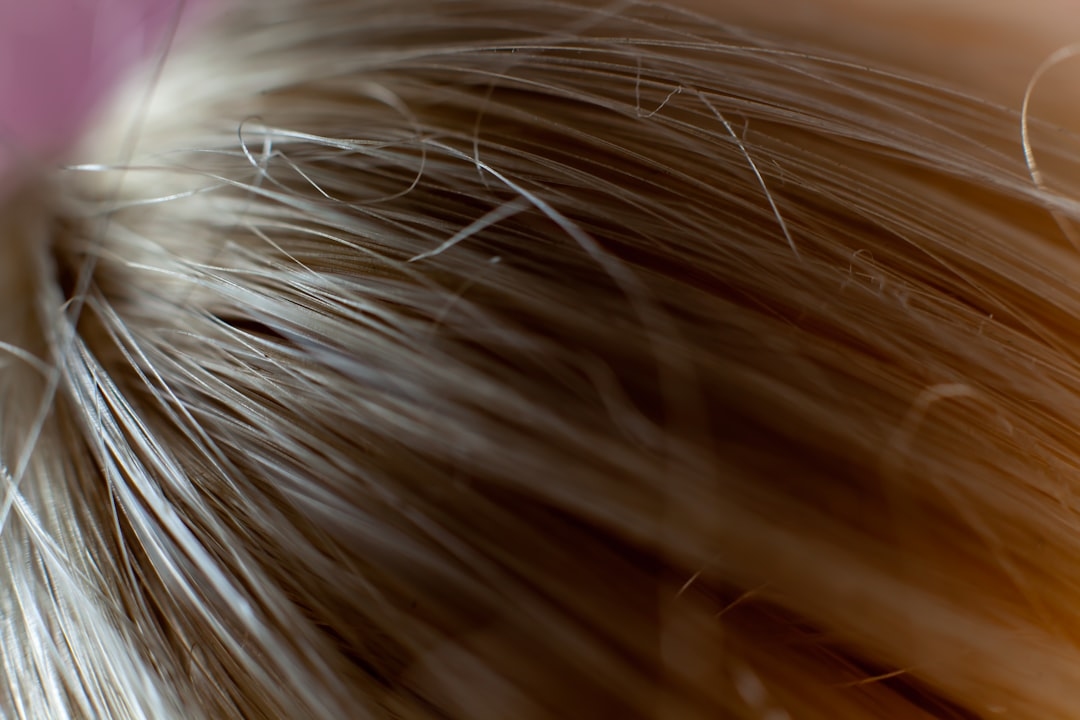
At month three: shedding reduced from 150 to approximately 80 hairs per wash. Testosterone dropped noticeably; facial hair growth slowed.
At month six: visible regrowth began. Fine, short hairs appeared along my hairline—the first sign of follicles reactivating. Insulin fasting levels stabilised around 6.5 mIU/L.
At month nine: new hairs thickened. My ponytail felt fuller. I could once again wear my hair pulled back without self-consciousness.
At month twelve: my dermatologist confirmed it. Density had increased by approximately 12 per cent across the scalp. New growth was visible; existing hairs were longer and healthier. Blood work showed testosterone at 42 ng/dL—within optimal range.
Cost Breakdown: The Reality of Natural Reversal
Many women assume natural approaches cost nothing. In reality, they require investment in different areas:
- Initial blood work and consultations: £150–300 (NHS often covered this; private costs varied)
- Dietician consultation: £60–120 per session (three sessions suggested)
- Supplements (12 months): £35–40 per month = approximately £420–480
- Hair care products (quality gentle shampoo, silk pillowcase, comb): approximately £80
- Total first-year investment: roughly £710–980
Ongoing maintenance dropped to approximately £35–40 monthly after the initial phase. Prescription options like spironolactone or minoxidil require indefinite use and cost £40–100 monthly, so the natural approach became financially similar long-term whilst allowing me to work with my body rather than against it.
What Didn’t Work (And Why I Stopped)
Not everything I tried helped. Biotin supplementation alone did nothing—my problem wasn’t biotin deficiency but hormonal. Caffeine restriction also made no measurable difference; I added it back. Expensive serums and scalp treatments were largely ineffective. The regrowth came from addressing insulin and androgens internally, not from topical fixes.
Common Questions About Reversing PCOS Hair Loss Naturally
How long before you see hair regrowth?
Initial shedding reduction typically appears within 6–12 weeks once hormones begin stabilising. Visible new growth usually takes 4–6 months. Full thickness and length restoration extends 12–18 months. Patience is essential; hair cycles are slow.
Can hair regrowth happen without supplements?
Yes, but more slowly. Diet and lifestyle changes alone can improve insulin and hormones, but supplementing with inositol and other key compounds accelerates the process. Think of supplements as assistants, not magic.
Do you need to stay on supplements forever?
I continued myo-inositol indefinitely because it supports my insulin sensitivity, but I eventually stopped saw palmetto at month nine after testosterone stabilised. Every woman’s needs differ. Regular blood work helps guide decisions.
What if you don’t have insulin resistance?
The approach shifts. If testosterone is elevated but insulin is normal, focusing on other androgen-suppressing strategies (spearmint tea, some botanical adaptogens) might prove more relevant. This is why testing first matters.
Will hair loss return if you stop the lifestyle changes?
Possibly. PCOS is chronic; it doesn’t disappear. However, once follicles recover, they’re more resilient. Maintaining the foundational shifts—balanced eating, stress management, movement—keeps androgens in check. I’ve relaxed slightly from month 15 onwards and haven’t lost the gains, though I remain disciplined.
Moving Forward: Sustaining the Results
Reversing PCOS hair loss naturally required understanding the mechanics of my condition and addressing the root cause rather than chasing symptoms. The process was gradual, unsexy, and demanded consistency. There were months where I saw minimal change and questioned whether it was working. But the science was on my side, and the results confirmed it.
Today, my hair is fuller, stronger, and healthier than it’s been in a decade. More importantly, addressing the insulin resistance improved my energy, stabilised my cycle, and resolved my acne. Hair loss was the visible symptom, but the real victory was healing the hormonal environment underneath. If you’re navigating similar challenges with PCOS-related hair loss, how you reverse it naturally will depend on your specific hormonal profile, but the principles remain: understand your baseline, address insulin and androgens systematically, support your body with targeted supplements, and give it time to recover. The mirror eventually shows a reflection worth recognising again.