Contents:
- Understanding Beard Hair Structure and Why It Curves
- How to Straighten Beard Hair: Heat-Based Methods
- Beard Straightening Brushes
- Beard Straightening Combs
- Traditional Hair Straightening Irons for Beard Use
- Comparison: Straightening Irons vs. Straightening Brushes
- Chemical Beard Straightening Treatments
- Keratin Beard Treatments
- Chemical Relaxers and Smoothing Systems
- Natural and Low-Heat Straightening Methods
- Beard Oil and Leave-In Conditioner Approaches
- Beard Balm and Butter Techniques
- Beard Straightening Overnight Method
- Step-by-Step: How to Straighten Beard Hair Safely
- Frequency and Maintenance Considerations
- Protecting Beard Health While Straightening
- FAQ: Straightening Beard Hair
- Will straightening beard hair permanently damage it?
- How long does straightened beard hair stay straight?
- Can I straighten beard hair without heat?
- What temperature is safe for daily beard straightening?
- Does straightening beard hair make it grow slower?
- Building Your Beard Straightening Routine
Does your beard curl, wave, or kink in directions you’d prefer it didn’t? Straightening beard hair transforms unruly facial hair into sleek, defined growth that looks intentional rather than accident-prone. The process differs substantially from straightening scalp hair because beard hair grows thicker, curlier, and with more individual texture variation.
Understanding Beard Hair Structure and Why It Curves
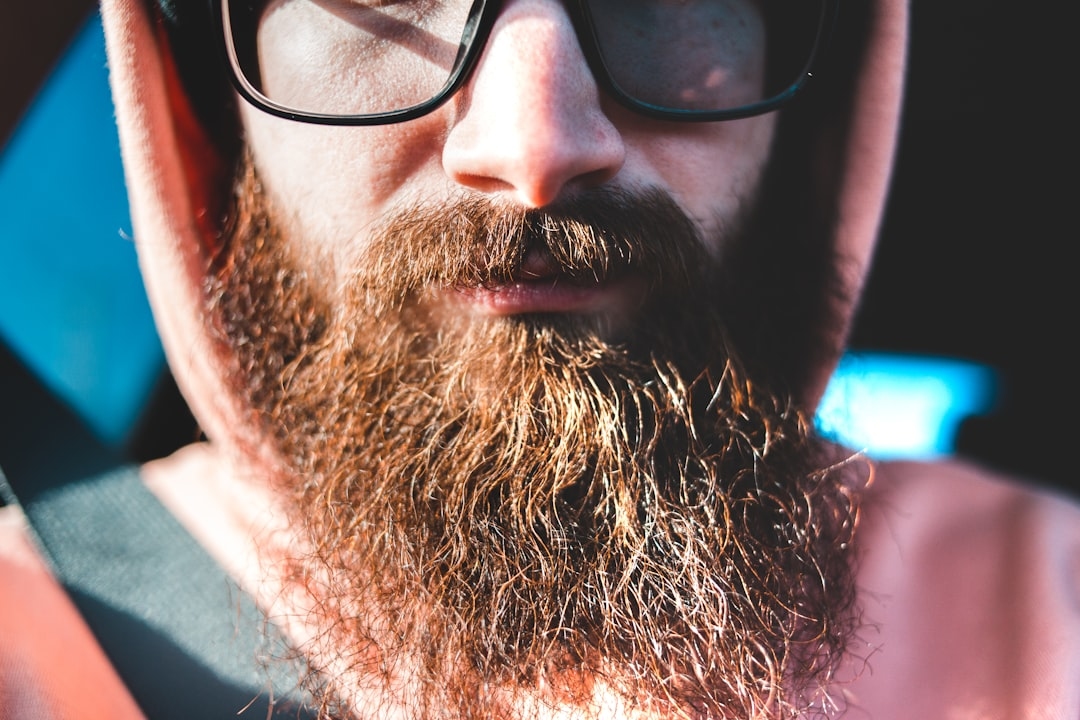
Beard hair naturally curves more than head hair. The average beard follicle is twisted at an angle of 45-90 degrees, while head hair follicles sit nearly vertical. This genetics-determined angle creates the natural curl pattern you see, regardless of whether your head hair is straight.
Additionally, beard hair is roughly 40% thicker than scalp hair, containing denser keratin structures. This thickness makes beard hair more resistant to straightening but also more durable under heat. The sebaceous gland density is lower around beard follicles, meaning beard hair receives less natural oil compared to head hair, making it drier and more prone to frizz.
Humidity levels significantly influence how straight your beard stays. In conditions above 65% relative humidity, beard hair reverts toward its natural curl pattern. Coastal areas and northern UK regions (where humidity reaches 70-80% regularly) present greater challenges for maintaining straightness compared to drier inland areas.
How to Straighten Beard Hair: Heat-Based Methods
Beard Straightening Brushes
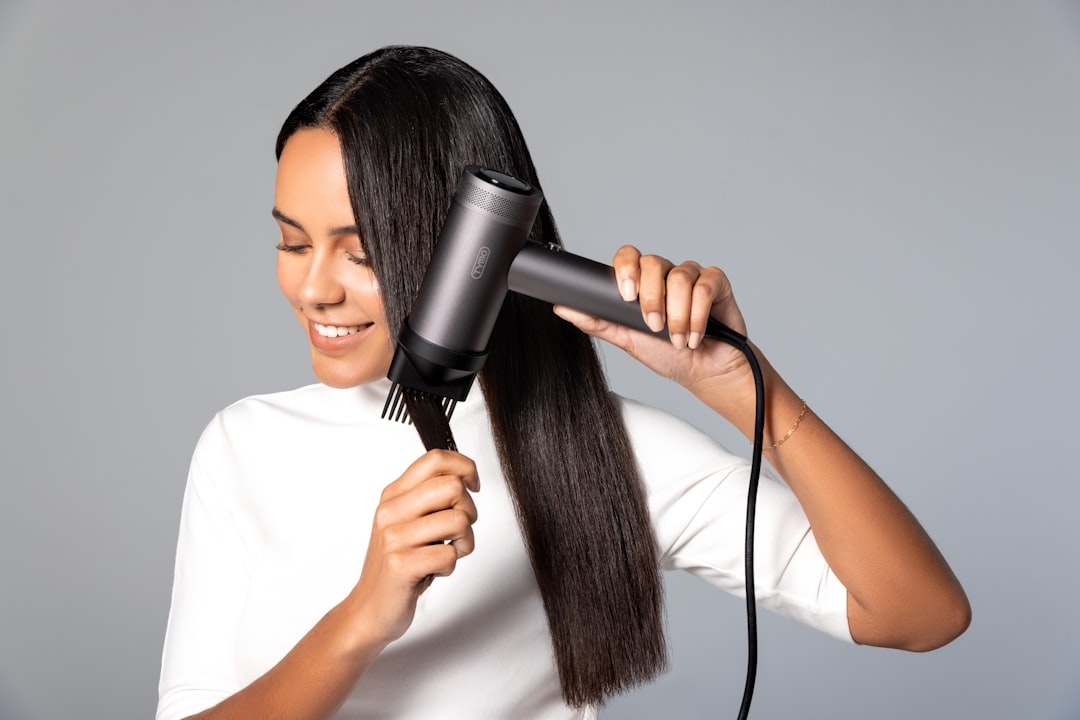
Purpose-built beard straightening brushes combine heat with gentle tension. They feature ceramic or ionic teeth that smooth the beard’s cuticle layer as heat relaxes the hair structure temporarily. Temperatures typically range from 120°C to 200°C, with lower settings (120-150°C) suitable for daily use and higher settings (160-200°C) reserved for occasional straightening.
Quality beard straightening brushes cost £25-80 in the UK. Professional-grade ionic models (around £60-80) heat more evenly and dry hair faster than budget alternatives. The brush method takes 5-8 minutes per full beard and creates lasting straightness for 2-4 hours, depending on humidity and beard density.
What the Pros Know: Professional beard specialists use the “three-pass method”—drawing the brush downward through each section three times. The first pass removes moisture, the second applies heat, and the third smooths the cuticle. Single-pass straightening appears temporary; three passes extend results by 2-3 hours and reduce frizz more effectively.
Beard Straightening Combs
Heated straightening combs work similarly to brushes but offer finer control over individual sections. They’re particularly effective for curly beards where you need to target specific high-curl areas. These combs reach 180-220°C and take slightly longer (8-12 minutes) but deliver more precise straightening.
UK prices range from £35-120 depending on build quality and temperature consistency. Ionic models from reputable brands like Dyson or ghd cost more upfront but maintain consistent temperature throughout the session, preventing hot spots that cause damage.
Traditional Hair Straightening Irons for Beard Use
Standard hair straightening irons can straighten beard hair, though they’re not purpose-built for the task. The pressure and plate width suit scalp hair better than thicker beard growth. If using hair straighteners on your beard, set the temperature to 160°C maximum (lower than you’d use on head hair) and make slower passes to prevent snagging.
This method works in emergencies or for occasional use. Regular beard straightening irons, however, remain superior for daily results.
Comparison: Straightening Irons vs. Straightening Brushes
These tools serve different purposes and suit different beard types. Straightening irons apply direct heat and pressure between two plates, ideal for thick, heavily curled beards. The pressure-based action forces straightness but risks damaging individual hairs if temperatures run too high. Results last 4-6 hours but require more heat exposure (typically 180-200°C).
Straightening brushes apply heat whilst gently guiding hairs straight through teeth-like structures. The gentler approach prevents damage better, making brushes ideal for fine or moderately textured beards. Results last 2-3 hours but feel more natural and less uniformly “done.” Brush temperatures (120-160°C) are safer for daily use.
For most beards, brushes represent the better choice. Irons suit only heavily curled, thick beards where brush effectiveness plateaus.
Chemical Beard Straightening Treatments
Semi-permanent beard straightening treatments chemically relax hair structure, lasting 4-12 weeks depending on product strength and beard growth rate. These include keratin treatments, relaxers, and specialised beard-straightening systems.
Keratin Beard Treatments
Keratin infusions coat each beard hair with protein, smoothing the cuticle and temporarily reducing curl. Unlike permanent relaxers, keratin is temporary and gentler. Results appear immediately and improve over 3-5 applications, spaced one week apart. Each treatment costs £30-60 at UK salons and lasts 4-8 weeks.
The benefits accumulate. After three treatments, your beard’s natural curl pattern becomes less aggressive, and straightening becomes easier. Many men find they need straightening tools less frequently or can use lower temperatures.
Chemical Relaxers and Smoothing Systems
Stronger chemical treatments (like those used on curly hair) permanently straighten beard hair by breaking down and reforming keratin bonds. These last 8-12 weeks but carry higher risk of damage if applied incorrectly. Cost ranges from £50-150 per treatment at specialised salons.
Chemical treatments suit men with very thick, tightly curled beards who find heat tools insufficient. They’re not recommended for daily use because repeated applications cause brittleness and breakage. Professional application is essential—home application often results in uneven straightening or damage.
Natural and Low-Heat Straightening Methods
Beard Oil and Leave-In Conditioner Approaches
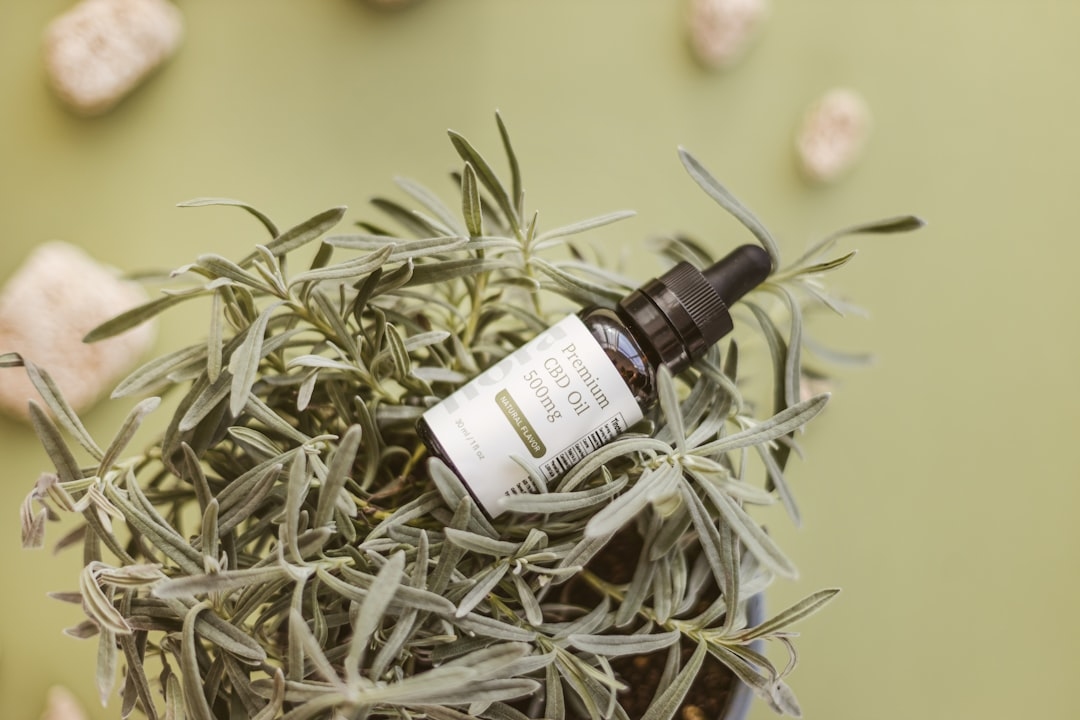
Nourished beard hair lies flatter naturally. High-quality beard oils containing argan, jojoba, or coconut oil (brands like Beardbrand or The Beard Story, £8-18 per bottle) reduce frizz and encourage straighter appearance. This won’t permanently straighten curly beards but makes them more manageable and less visibly curled.
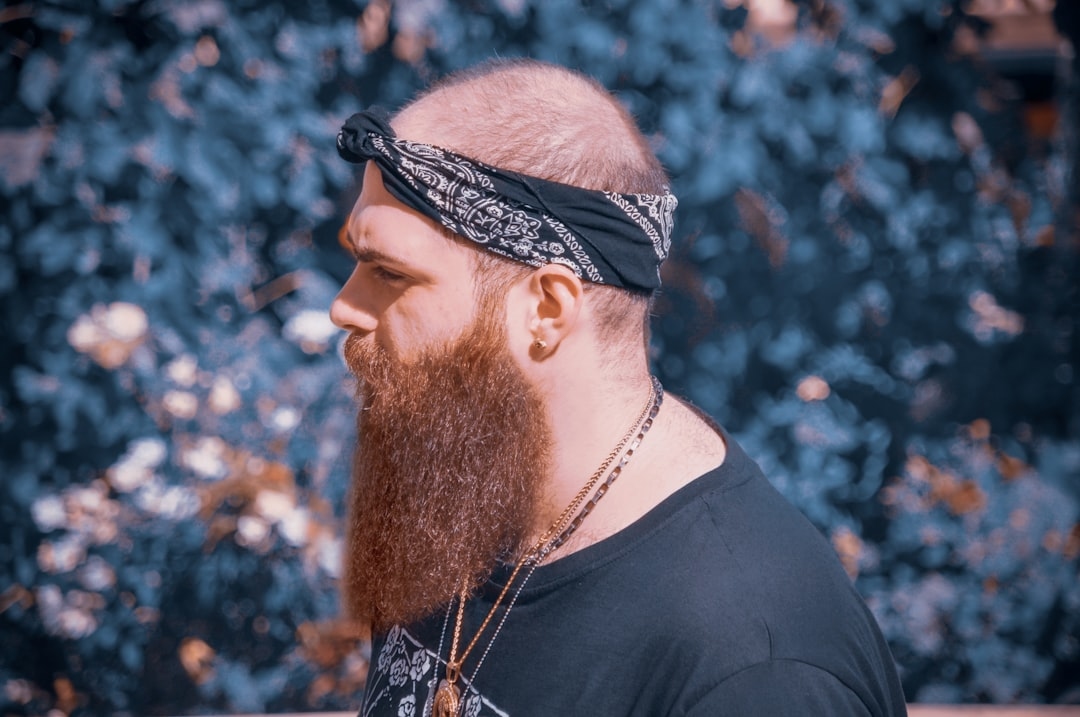
Apply oil to damp beard, then blow-dry with medium heat and a beard brush downward. This low-heat combination (around 60-80°C) creates temporary straightness lasting 4-6 hours. Regular application (twice daily) trains your beard to lie straighter over weeks.
Beard Balm and Butter Techniques
Beard balms and butters contain beeswax, butters, or pomade ingredients that hold straight shapes longer. They don’t straighten hair but maintain straightness created through other methods. Apply balm to damp beard, brush straight, then allow to set as hair dries (approximately 15-20 minutes). Results last 6-10 hours depending on activity and humidity.
Beeswax-based products (£6-15 per tin) hold longest. Lighter, water-soluble balms (£5-12) wash out more easily but feel less heavy. Most men find a balance—straightening tool for initial straightness, then balm for maintenance throughout the day.
Beard Straightening Overnight Method
For gentle straightening without heat, some men brush beard straight, apply balm, then wrap loosely with a hair wrap or soft cloth whilst sleeping. Morning beard often remains straighter from this method. It works best for moderately curled beards and takes no additional time since you’re sleeping anyway.
Step-by-Step: How to Straighten Beard Hair Safely
- Start with clean, damp beard: Wash with warm water and beard shampoo. Don’t thoroughly dry—damp beard (not dripping) accepts straightening better than completely dry beard.
- Apply heat protectant: Spray or liquid protectants containing silicone (cost £4-10 per bottle) reduce heat damage by 30-40%. Apply evenly, working from roots to tips of beard hair.
- Brush or comb beard downward: Use a beard brush to direct hairs downward. This trains the direction before applying heat.
- Section the beard: Divide into 3-4 sections (left side, right side, under-chin, moustache area). Working in sections ensures no area is missed.
- Apply straightening tool at medium temperature: Start at 140-150°C. If results satisfy you within a week of testing, don’t increase temperature. Many men damage their beards by using unnecessarily high temperatures.
- Make three slow passes: As mentioned earlier, three passes deliver better results than one. Each pass takes 8-15 seconds per section.
- Allow beard to cool: Let straightened beard cool for 2-3 minutes before touching or applying additional products. Heat-styled hair sets permanently only as it cools.
- Apply balm or oil: Once cooled, balm locks the straightness in place.
Frequency and Maintenance Considerations
How often you straighten depends on beard thickness and curl intensity. Men with moderately curled beards typically straighten 3-4 times weekly. Very curly beards might require daily straightening for the look they want. Straight-textured beards may need straightening only once or twice weekly.
Limit heat straightening to 4 days per week maximum. On other days, rely on oil, balm, and brushing to maintain straightness without additional heat stress. This approach balances appearance with beard health, preventing brittleness and breakage that heavy heat exposure causes.
Monthly deep conditioning treatments strengthen beard hair, making it more resistant to damage from heat styling. Beard-specific deep conditioners (£8-16 per jar) differ from those for scalp hair—they’re formulated for thicker texture. Apply once weekly for 15 minutes, then rinse thoroughly.
Protecting Beard Health While Straightening
Heat styling inevitably causes some damage. Minimising this requires proper technique and maintenance. Never straighten beard hair below 0.5cm length—short beard hair near the skin absorbs excessive heat. Let new growth emerge naturally before including it in straightening routines.
Trim every 6-8 weeks to remove split ends and heat-damaged tips. A good beard trim costs £12-25 at UK barber shops but prevents damage from compounding. Regular trims maintain straight appearance longer because healthy tips don’t fray or curl unpredictably.
Temperature consistency matters more than absolute temperature. A consistently heated 140°C tool delivers better results than one fluctuating between 130-170°C. Cheaper straightening tools often lack temperature regulation, so investing in quality (£50-100) prevents frustration and damage.
FAQ: Straightening Beard Hair
Will straightening beard hair permanently damage it?
Regular heat straightening (3-4 times weekly at proper temperatures) doesn’t permanently damage healthy beard hair. Cumulative damage appears only with excessive heat (daily use above 180°C) or poor technique. If you notice increased brittleness or breakage after straightening, reduce frequency or temperature. Proper maintenance (conditioning, trimming, rest days) prevents long-term damage.
How long does straightened beard hair stay straight?
Duration depends on method: heat tools create straightness lasting 2-6 hours; keratin treatments last 4-8 weeks; chemical relaxers last 8-12 weeks. Humidity and beard density affect duration significantly. Coastal regions or very humid conditions reduce longevity by 1-2 hours compared to drier climates.
Can I straighten beard hair without heat?
Yes, but results are less dramatic. Beard oils, balms, and nourishment train hair to lie straighter naturally over weeks. Overnight wrapping and regular brushing help. These methods work best for naturally straight or slightly wavy beards. Tightly curled beards require heat for noticeable straightening.
What temperature is safe for daily beard straightening?
130-150°C is safe for daily or near-daily straightening. Temperatures above 160°C should be reserved for weekly use at most. Start at 130°C and increase only if results don’t satisfy—most men find 140-150°C optimal for safety and results balance.
Does straightening beard hair make it grow slower?
No. Heat straightening doesn’t affect growth rate, which is determined by genetics and health. Damage from straightening can make hair appear shorter if split ends break off, but this isn’t slower growth—it’s damage removal. Proper maintenance prevents split end accumulation.
Building Your Beard Straightening Routine
Start simply: a quality beard brush, medium-heat straightening tool, and beard balm. This combination costs £40-80 total and delivers excellent results for most beards. Experiment with frequencies and temperatures across one month before committing to expensive treatments. Many men discover that 3-4 straightening sessions weekly at 140°C with balm maintenance accomplishes their desired look without advanced treatments. Once you’ve identified what works for your specific beard, maintenance becomes effortless—just part of your morning routine.