Contents:
- Understanding Ionic Technology Explained
- How It Works at the Molecular Level
- Ionic Dryers vs Ceramic and Tourmaline: What’s the Difference?
- Common Confusion: Ionic vs Non-Ionic
- Real Benefits You’ll Actually Notice
- Reduced Frizz and Flyaways
- Faster Drying Time
- Improved Shine and Smoothness
- Less Heat Damage
- Seasonal Timeline: When You’ll Notice the Difference Most
- Choosing the Right Ionic Hair Dryer for Your Needs
- Budget Options (£30–£70)
- Mid-Range (£70–£150)
- Premium (£200+)
- Hair Type Considerations
- Practical Tips for Maximum Results
- Common Myths and Misconceptions
- Frequently Asked Questions
- Moving Forward with Ionic Technology
Back in the 1990s, Japanese hair salons started using ionic technology to transform dull, frizzy hair into smooth, glossy locks. What began as a luxury salon secret has since become mainstream, and today, ionic hair dryers sit in bathrooms across the UK. But what actually makes them different, and do they live up to the hype?
Understanding Ionic Technology Explained
An ionic hair dryer generates negative ions—tiny electrically charged particles—whilst heating and blowing air through your hair. These ions interact with the positive charge naturally present in water molecules and damp hair strands. When negative ions meet positively charged water particles, they neutralise them, breaking down the water droplets into finer mist. This means your hair dries faster and more evenly.
Most ionic hair dryers use an ioniser—a device that emits these ions—built into the motor or heating chamber. The technology itself isn’t new; it’s based on the principle that negatively charged particles repel moisture and seal the hair cuticle (the outer protective layer of each strand). When your cuticle lies flat and smooth, light reflects better off the hair surface, creating that coveted shine.
How It Works at the Molecular Level
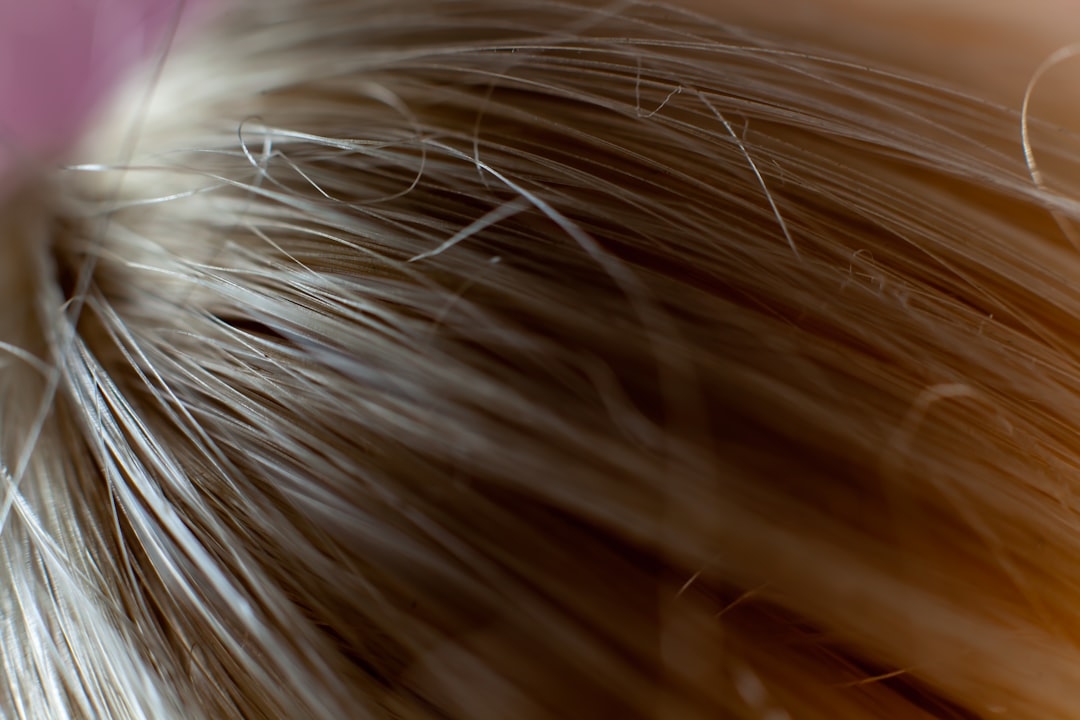
Picture your hair’s surface as a series of overlapping scales. When damp, these scales stand up slightly, making your hair look dull and feel rougher. Hot air alone can open these scales further, causing frizz and breakage. Ionic technology flattens these scales by neutralising the electrical charge that makes them stand up. The result? Smoother, shinier hair with noticeably less frizz.
Ionic Dryers vs Ceramic and Tourmaline: What’s the Difference?
You’ve probably seen hair dryers marketed as “ionic,” “ceramic,” or “tourmaline.” These often work together rather than being separate categories. Here’s the real distinction:
- Ionic dryers emit negative ions to seal the cuticle and reduce frizz
- Ceramic coatings distribute heat evenly and prevent hot spots that damage hair
- Tourmaline (a semi-precious stone) releases far-infrared heat and additional negative ions when heated
Many modern dryers combine all three technologies. A top-of-the-range ionic hair dryer from a premium brand like Dyson or ghd typically includes a ceramic heating element plus tourmaline-infused nozzles for maximum benefit. The price reflects this combination—expect to spend £150–£300 for a high-quality model.
Common Confusion: Ionic vs Non-Ionic
A non-ionic dryer simply blows hot air without emitting ions. It’s faster and cheaper but offers zero protection against frizz. If you’ve used a basic £20 supermarket hair dryer, you’ve used a non-ionic model. The trade-off is real: faster drying but rougher, frizzier hair. Ionic technology adds a protective layer that transforms the drying experience, particularly if you have naturally curly, wavy, or textured hair.
Real Benefits You’ll Actually Notice
Ionic hair dryers aren’t just marketing hype. The benefits are measurable and immediate for most users.
Reduced Frizz and Flyaways
This is the headline benefit. By sealing your hair cuticle, ionic dryers keep moisture locked inside the strand whilst preventing external humidity from raising the cuticle. British weather is notoriously humid, and if you live near coastal areas or have high-rainfall seasons, you’ll benefit enormously. Test this yourself: dry your hair with an ionic dryer, step outside on a damp day, and notice how much longer it stays smooth compared to a conventional dryer.
Faster Drying Time
Because negative ions break water droplets into smaller particles, drying is more efficient. Most users report drying times 20–30% faster than with a standard dryer. For shoulder-length hair, this could mean saving 5–10 minutes per wash. Over a year, that’s roughly 40 hours saved.
Improved Shine and Smoothness
When your hair’s cuticle sits flat, light bounces off evenly, creating natural shine without product. Ionic dryers give hair that salon-quality finish even if you’re drying it at home. The smoothness is tangible—run your fingers through your hair and you’ll feel the difference immediately after switching from a non-ionic model.
Less Heat Damage
Because water dries more efficiently, you can use a lower heat setting and still achieve fast results. Lower heat means less protein denaturation (the process where hair structure breaks down) and less potential for split ends and breakage. Your hair stays healthier over time.
Seasonal Timeline: When You’ll Notice the Difference Most
Winter (December–February): Indoor heating dries out hair. Ionic dryers’ moisture-locking benefits are especially valuable. You’ll notice less static and more manageability.
Spring (March–May): Increasing humidity and rainfall make frizz worse. This is peak season for ionic dryers to shine. Your investment pays off immediately.
Summer (June–August): High humidity and coastal holidays mean frizz challenges. Ionic technology keeps hair smooth despite weather extremes.
Autumn (September–November): Transitional weather with fluctuating humidity. Ionic dryers provide consistent results as conditions change.
If you’re considering buying an ionic dryer, spring and summer are when you’ll appreciate the benefits most—though you’ll benefit year-round in the UK climate.
Choosing the Right Ionic Hair Dryer for Your Needs
Budget Options (£30–£70)
Entry-level ionic dryers from brands like Revlon or Parlux offer genuine ionic technology but with fewer heat settings and less powerful motors. They work, but drying takes longer and the build quality may not last more than 2–3 years. Good for trying the technology before investing more.
Mid-Range (£70–£150)
Brands like Dyson Supersonic Compact (around £150) or premium salon brands offer stronger motors, multiple heat settings, and better heat distribution. These typically last 5+ years and deliver noticeably superior results. This is where most people find the sweet spot between quality and value.
Premium (£200+)
Professional-grade ionic dryers from Dyson (Supersonic, around £299) or ghd offer cutting-edge features like temperature sensors, acoustic damage detection, and luxury finishes. You’re paying for engineering excellence, durability, and warranty support.
Hair Type Considerations
Straight hair benefits from ionic technology but doesn’t absolutely need it. Wavy, curly, or textured hair transforms dramatically with ionic dryers—reduced frizz is literally the difference between good days and bad days. Fine or thin hair should avoid the heaviest models (over 600g) as they can feel tiring to use. Thick or long hair benefits from higher wattage (1800W+) and ionic output.
Practical Tips for Maximum Results
- Start with damp (not soaking wet) hair. Towel-dry first to remove excess water, then use the dryer. Ionic technology works best when water droplets are smaller.
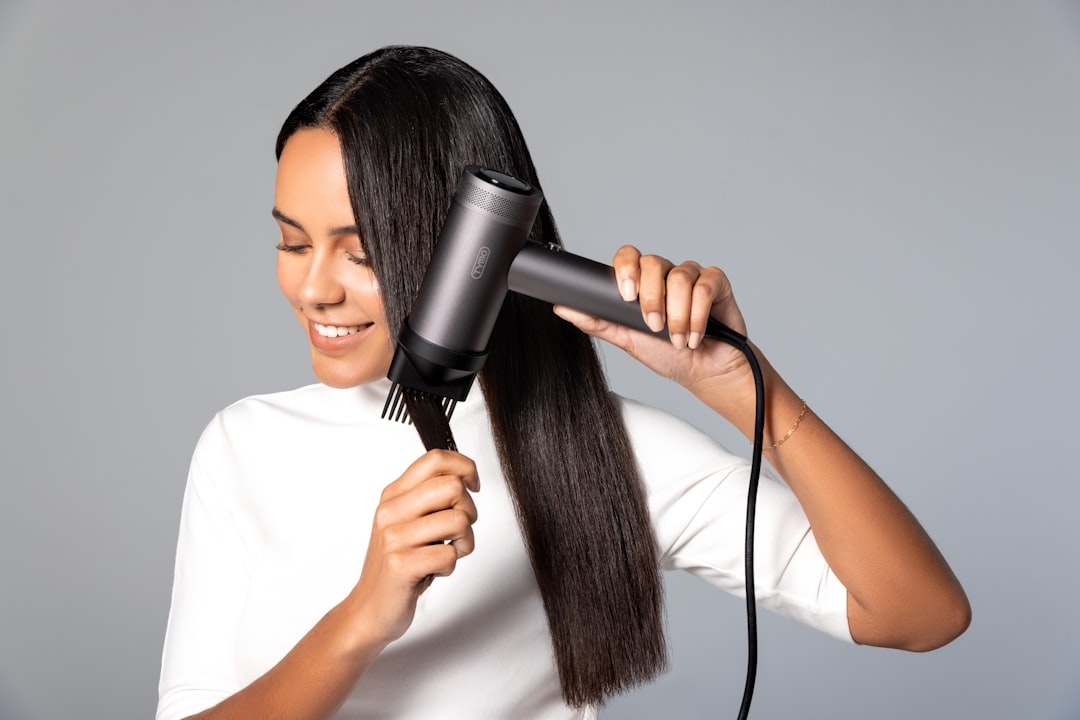
- Use a concentrator nozzle attachment for smoother results. This focuses the ionic output directly onto your hair.
- Dry in sections from roots to ends, always pointing the nozzle downward. This seals the cuticle in the right direction.
- Use a lower heat setting than you might with a conventional dryer. Ionic dryers’ efficiency means you don’t need high heat.
- Finish with a cool shot at the end. This seals everything in place and boosts shine even more.
- Clean the filter monthly. Dust buildup reduces ionic output and efficiency.
Common Myths and Misconceptions
Myth: Ionic dryers work instantly on any hair type.
Reality: Results improve gradually. Your hair’s condition builds over weeks as you use an ionic dryer regularly. Heavily damaged hair may need several months to show dramatic improvement.
Myth: Ionic technology replaces the need for good hair care.
Reality: An ionic dryer is one part of the puzzle. Heat protectant products, deep conditioning, and minimising heat use all matter equally.
Myth: More expensive always means better ionic technology.
Reality: A £100 ionic dryer from a reputable brand delivers 80% of the benefits of a £300 premium model. The extra cost often covers design, brand prestige, and additional features like sensors.
Frequently Asked Questions
Are ionic hair dryers safe to use every day?
Yes. Ionic technology itself doesn’t damage hair—it actually protects it. Daily use is fine, though using the lowest effective heat setting and a heat protectant product maximises benefits and minimises any potential damage from repeated heat exposure.
Do ionic hair dryers really reduce frizz?
Yes, significantly. Negatively charged ions seal the hair cuticle, which is the primary mechanism for frizz control. Results are most dramatic in humid conditions and on naturally curly or textured hair. Straight-haired users notice improvement but less dramatically.
How long do ionic hair dryers last?
Mid-range to premium ionic dryers (£100+) typically last 5–8 years with regular use and proper maintenance. Budget models may fail after 2–3 years. Longevity depends on motor quality and build materials.
Can I use an ionic hair dryer on wet hair straight from the shower?
You can, but results improve if you towel-dry first. Ionic technology works more efficiently on damp (rather than soaking) hair because water droplets are already partially removed and smaller.
Do I need a heat protectant with an ionic dryer?
Not strictly necessary, but recommended. A lightweight heat protectant spray (around £6–£12 at any chemist) adds an extra layer of protection and often enhances shine and smoothness further.
Moving Forward with Ionic Technology
An ionic hair dryer represents a genuine upgrade if you’re currently using a basic, non-ionic model. The technology is proven, accessible across all price points, and delivers real benefits—especially in the UK’s humid climate. Whether you invest £50 or £300, switching to ionic technology will noticeably improve your hair’s appearance and health over time.
Start by identifying your hair type and budget, then test a mid-range ionic dryer for 2–3 weeks. You’ll quickly feel whether the technology suits you. Most users never look back once they’ve experienced how much smoother and shinier their hair becomes with proper ionic drying technology.