Contents:
- Understanding Boys Hair and Basic Structure
- Essential Tools and Equipment
- Seasonal Timing and Maintenance Schedule
- The Standard Boys Cut: Step-by-Step Technique
- Step 1: Prepare and Section the Hair
- Step 2: Clipper Sides and Back
- Step 3: Create a Fade (Optional but Professional-Looking)
- Step 4: Trim the Top with Scissors
- Step 5: Shape and Blend
- Common Mistakes to Avoid
- Specific Cuts for Different Ages and Hair Types
- Toddlers (Ages 2-4)
- School Age (Ages 5-11)
- Pre-teens and Teens (Ages 12-16)
- Curly or Textured Hair
- Equipment Maintenance and Hygiene
- Troubleshooting: When Things Go Wrong
- Patchy or Uneven Sides
- Top Too Short
- Clippers Skipping or Pulling
- Visible Scalp When Wet
- Professional Barber Insights: What They Do Differently
- Building Confidence Through Practice
- Frequently Asked Questions
- How often should I cut my boy’s hair?
- What’s the best guard size for beginners?
- Can I cut hair immediately after washing?
- What should I do if I accidentally cut too short?
- Are cordless clippers as good as corded ones?
- How do I prevent clipper burn or irritation?
- Moving Forward: Building Your Home Barbering Skills
Quick Answer
Cutting boys hair requires three essentials: quality clippers (starting at £15-25), a comb, and basic technique. The most common boys cut involves clipping the sides and back shorter (typically 1-3mm) while keeping the top longer (12-25mm). Most boys’ haircuts take 15-30 minutes once you understand the fundamentals.
Your son’s hair needs trimming, and you’re staring at the cost of another barber appointment. At £8-15 per cut, these add up fast. The frustration is real: professional results seem to require professional training. Yet thousands of parents manage perfectly respectable boys’ haircuts at home each month. The difference isn’t mysterious talent—it’s understanding the mechanics of what barbers actually do.
Understanding Boys Hair and Basic Structure
Boys’ hair cutting differs fundamentally from girls’ styling or adult men’s cuts. Children’s hair grows at approximately 10-12cm per year, and the texture changes as they develop. Blonde hair often darkens with age, whilst fine, wispy hair becomes coarser. These biological facts matter because they affect how often cuts are needed and which techniques work best.
Hair density varies considerably between individuals. A boy with dense, thick hair requires different clipping guard sizes than one with finer hair. Dense hair can handle a 1mm guard without showing scalp; fine hair often needs at least 1.5mm or 2mm to avoid an overly shaved appearance. Inspect your son’s hair type by running your fingers through the sides. If you can easily see the scalp beneath, you’re working with fine hair.
Hair growth patterns differ too. Many boys have a cowlick at the front, a spot where hair naturally grows upward or to the side. The back of the head often has a whorl—a circular growth pattern that makes that area stand up slightly. Cutting against these patterns wastes effort; cutting with them requires less maintenance.
Essential Tools and Equipment
Professional barbers invest hundreds in equipment, but home cutting works with far less. You need four core items:
- Clippers: Cordless rechargeable clippers cost £20-50 and work fine for home use. Brands like Philips, Braun, and Panasonic offer reliable models that last 2-3 years with basic maintenance. Cheaper options under £15 exist but often clog with hair within a month.
- Guards: Most clippers include 3-5 guards in sizes 1mm to 12mm. A basic set covering 1.5mm, 3mm, 6mm, and 10mm handles 95% of boy’s cuts.
- Comb: Any fine-tooth comb works, though barber combs (£3-5) designed for shorter hair help. Avoid wide-tooth combs; they skip over short hair.
- Scissors: Hair-cutting scissors (not household scissors) cost £10-20. Dull scissors crush hair rather than cut cleanly, creating frizz.
Optional but useful: clipping cape (£5-10), mirror for checking the back, and a small brush for removing loose hair between clipping sections. A clean workspace with good lighting prevents mistakes—natural daylight or a bright lamp reveals the actual hair length far better than dim bathroom lighting.
Seasonal Timing and Maintenance Schedule
Boys’ hair grows about 0.8-1cm monthly. Most boys need cuts every 4-6 weeks. Seasonal adjustments help:
- Spring (March-May): First cuts after winter growth. Many parents schedule fresh fades before school summer holidays. Plan cuts for late May to look sharp through June and July.
- Summer (June-August): Shorter cuts become practical with warm weather. 2-3mm clipper cuts require trimming every 4 weeks to maintain shape.
- Autumn (September-November): Back-to-school cuts in late August. Hair grows longer through autumn, so September cuts can be slightly longer.
- Winter (December-February): Longer hair provides insulation; many parents extend cuts to 6-week intervals. Winter hat hair is less visible, so slight irregularities matter less.
Track your cuts in a calendar. Mark the date of each cut and write the guard size used. After three cuts, you’ll spot patterns—how fast his hair grows, which areas need attention, and the ideal timing for your schedule.
The Standard Boys Cut: Step-by-Step Technique
The most common boys cut uses clippers on sides and back with scissors or longer guards on top. This fade style works for ages 3-16 and flatters most face shapes.
Step 1: Prepare and Section the Hair
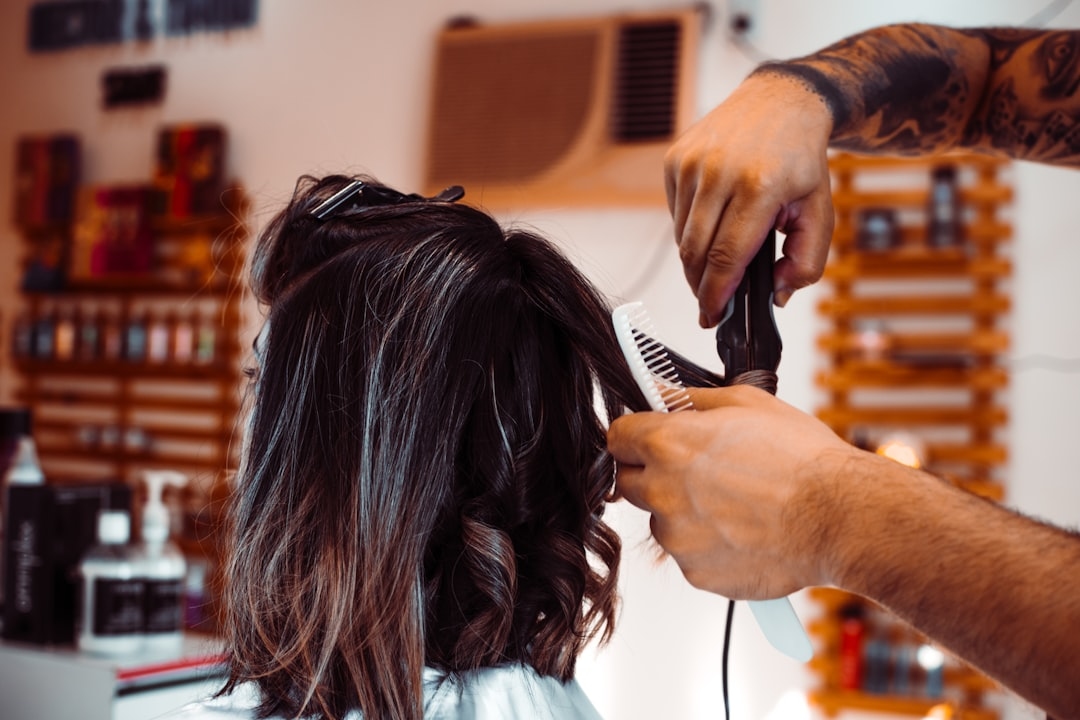
Start with clean, dry hair. Wash it 2-3 hours before cutting, not immediately before—slightly air-dried hair is easier to cut than dripping wet or completely dry hair. Section the hair using the comb. Create an imaginary line from one ear to the other, going over the crown. This divides top from sides.
Clip the top section away using a hair clip or even a rubber band. You’re now working only with sides and back. This prevents accidentally clipping the top section.
Step 2: Clipper Sides and Back
Start with the left side. Hold the clippers against the grain (opposite to hair growth direction) and move upward from the sideburn line. Let the clippers do the work—don’t force them. A quality clipper glides through hair; a struggling clipper suggests either dull blades or incorrect technique.
Work in overlapping vertical strokes, moving from the bottom of the sideburn upward toward the temple. Cover the entire side evenly. Switch to the right side using identical technique. The sides should look uniform in length.
For the back, use the same clippers and guard. Work upward from the nape (lower neck area) toward the crown. Make overlapping strokes, slightly angling inward at the ears. Many first-timers miss the area directly at the nape—that bottom 2-3cm is crucial for a finished look.
Check your work by running the comb through each side. You should see uniform stubble without patches.
Step 3: Create a Fade (Optional but Professional-Looking)
A fade gradually blends short sides into longer hair on top. It’s the signature barber move. Switch to a longer guard—if you used 1.5mm on the sides, use 3mm now. Repeat the same technique but only in a band about 2cm above where you clipped. This creates a subtle transition.
If using 1.5mm originally, use a 2.5mm guard for the fade if available, or skip the fade entirely—a clean line is better than an imperfect transition.
Step 4: Trim the Top with Scissors
Release the top section. Comb it forward and upward. This reveals the actual length. Using scissors, trim away roughly 6-8mm from the top. Start at one side and work across.
The key is using the comb as a guide. Position the comb vertically at the desired length, lift the hair slightly above it, and cut above the comb teeth. This gives you control and prevents over-cutting.
Work section by section across the head. The front should be slightly longer than the back to enhance the fade. Typical top length after scissors is 15-20mm, though this varies by style preference.
Step 5: Shape and Blend
Once you’ve clippered sides and trimmed the top, blend them. Hold the comb at a 45-degree angle along the sides where the clippered section meets the top. Make gentle vertical strokes with scissors to create a gradual transition.
Comb through the entire head to spot rough patches or uneven areas. Take another look with the comb and cut away any stray longer hairs.
Common Mistakes to Avoid
Learning what not to do accelerates success. These three errors cause 80% of botched home cuts:
- Clipping against wet hair: Wet hair stretches up to 30% longer than dry. A 3mm guard on wet hair cuts closer to 2mm when dry. Always clipper dry hair.
- Forcing clippers through thick hair: Struggling clippers either clog or pull hair, creating discomfort and uneven patches. Clean clipper blades under warm water between passes. Replace dull blades annually.
- Overtrimming the top: Most home cutters cut too much off the top initially. Start by trimming just 3-4mm. You can always trim more; you cannot add hair back. Err on the side of leaving it longer.
Another frequent issue: uneven guard sizes. Write down which guard number you’re using for sides (typically 1.5mm or 2mm), fades (3mm or 4mm), and any length on top. Consistency across sessions matters more than perfection in a single cut.
Specific Cuts for Different Ages and Hair Types
Toddlers (Ages 2-4)
Toddlers move unpredictably and dislike loud clippers. Scissors-only cuts work better. Keep hair 8-10cm long throughout; no fades needed. A simple trim every 6-8 weeks maintains shape without the clippers.
School Age (Ages 5-11)
This is the sweet spot for clipper cuts. Fine-haired boys: 2mm sides, 3mm fade, 15mm top. Dense-haired boys: 1.5mm sides, 2.5mm fade, 18mm top. Cuts every 5 weeks look fresh.
Pre-teens and Teens (Ages 12-16)
Preferences emerge. Some prefer longer, textured tops (25-30mm) with subtle 1mm fades. Others want short all over (6-8mm throughout). Ask your son what he wants—by 12, most boys have opinions. Follow his preference, not what looked good at age 8.
Curly or Textured Hair

Curly hair needs different handling. Curls shrink when cut; hair that appears 20mm wet might be 12mm dry. Cut curly hair dry, not wet. Use slightly longer guards (3mm minimum on sides) to avoid revealing scalp. Let the natural curl texture do the work rather than fighting it.
Equipment Maintenance and Hygiene
Dull clippers ruin cuts and frustrate the user. Maintenance takes 2 minutes monthly. After each use, tap clippers gently over a trash bin to dislodge hair. Once weekly, hold them under warm running water and tap again—hair and oil accumulate in the blade gaps.
Oil the clippers every 2-3 months using clipper oil (£3-5). Place one drop on the blade, run them for 10 seconds, and wipe excess. This extends blade life from 1-2 years to 3-4 years.
Scissors dull faster than clippers. Professional sharpening costs £5-10 and takes a week. Home sharpeners (£8-15) work adequately. Replace scissors if sharpening becomes necessary more than twice yearly.
Between cuts on different people, run clippers over a cloth to remove loose hairs. If cutting someone with a skin condition, disinfect the blades with a disinfectant wipe or brief soak in rubbing alcohol.
Troubleshooting: When Things Go Wrong
Patchy or Uneven Sides
This usually means inconsistent clipper angles. Clippers should move straight upward, not at an angle. Hold them parallel to the head. If patches appeared only in one area, check if that area had damp hair or if you rushed that section. Next cut, work slower and check more frequently with the comb.
Top Too Short
If you’ve over-trimmed the top, it’ll grow back in 3-4 weeks. In the meantime, maintain short sides so the overall style remains balanced. Next cut, trim less from the top initially.
Clippers Skipping or Pulling
The blades are dull or clogged. Clean under running water immediately. If cleaning doesn’t help, sharpen or replace the blades. Pulling hair is uncomfortable and ruins the cut.
Visible Scalp When Wet
You used too-short a guard or cut wet hair. This resolves naturally as hair grows (about 1.5-2cm per month). For the next cut, use a 0.5mm longer guard on sides.
Professional Barber Insights: What They Do Differently
Professional barbers invest in training, equipment, and experience. Their cuts often look sharper because they:
- Use professional-grade clippers (£100-400) with superior blade sharpness and durability
- Understand hair growth patterns and adjust cuts accordingly
- Maintain consistent technique across dozens of cuts weekly
- Use finishing techniques like outlining (sharp lines around temples and neck) with trimmers
- Provide styling guidance and product recommendations
Home cuts won’t match a £15 barber appointment in speed or polish, but they can match in result. The difference narrows considerably after your third or fourth attempt. Professionals rely on repetition; you can compensate with patience and care.
Building Confidence Through Practice
The first cut is intimidating. Accept that it may not be salon-perfect. Your goal with the first cut: learn the process and produce something acceptable. By cut three, you’ll spot patterns in your technique. By cut six, you’ll anticipate what to adjust.
Take photos from the front, sides, and back after your first three cuts. You’ll see improvement that you don’t notice in the moment. Progress in haircuts is gradual and measurable; it’s not like learning an instrument overnight.
Consider practicing on yourself first, if feasible, or cutting a friend’s hair before your son’s. This removes the pressure of getting his cut right immediately. Many parents find cutting their own hair easier than someone else’s because they can feel exactly what the clippers are doing.
Frequently Asked Questions
How often should I cut my boy’s hair?
Every 4-6 weeks for boys with short, faded cuts. Longer cuts can extend to 8 weeks. Track your boy’s hair growth; some grow noticeably faster than others. Once you’ve done 2-3 cuts, you’ll establish his personal schedule.
What’s the best guard size for beginners?
Start with 2mm on sides and back for most boys. This length is forgiving (doesn’t show scalp easily) yet short enough to look maintained. If your son has very dense hair, 1.5mm works; if his hair is fine, consider 2.5mm or 3mm to avoid the shaved appearance.
Can I cut hair immediately after washing?
No. Hair stretches when wet, making it appear 20-30% longer than it is dry. What looks like a 10mm cut when wet might be 7mm when dry. Wait 2-3 hours after washing, or cut completely dry hair for accuracy.
What should I do if I accidentally cut too short?
Accept it and move on. Hair grows about 1.5cm per month. In 3-4 weeks, the length will be back to normal. Keep sides clean during the regrowth period to maintain a balanced appearance. Use this as motivation to trim less from the top next time.
Are cordless clippers as good as corded ones?
For home use, yes. Cordless clippers provide 30-45 minutes of run time—enough for 4-5 cuts on a single charge. Battery-powered models from established brands perform identically to corded versions. The cordless convenience justifies the slightly higher cost (£25-50 versus £20-35).
How do I prevent clipper burn or irritation?
Clipper burn happens when blades are dull or too hot. Clean clippers frequently with cool water. If you’re cutting many people (such as a parent with multiple boys), clean the blades between each person. Allow clippers to cool for 5 minutes if they feel warm to the touch—running them non-stop heats the blades.
Moving Forward: Building Your Home Barbering Skills
Learning how to cut boys hair removes a recurring expense and adds a practical skill. The upfront investment—£25-50 in clippers, guards, and accessories—pays for itself within 3-4 cuts. From there, you’re maintaining equipment rather than constantly purchasing services.
Start with the fundamentals: clean dry hair, correct guard selection, and patient technique. Avoid the common mistakes of cutting wet hair, forcing dull clippers, and over-trimming the top. Practice on one person repeatedly; consistency comes from repetition, not natural talent.
Your second and third cuts will noticeably improve over your first. By the sixth cut, you’ll handle the process confidently. At that point, you’ll understand exactly which aspects matter most for your son’s specific hair type and face shape. You might discover that home cuts are your preferred option—saving money, time, and trips to the barber, all whilst supporting your son’s growing independence in controlling his own appearance.
Keep your calendar, maintain your equipment, and refine your technique. Competent home haircuts are entirely within reach for any parent willing to learn the process methodically.