Contents:
- Understanding Derma Roller Sizes for Hair Loss
- Comparing Derma Roller Sizes for Hair Regrowth
- The 0.25mm Roller: Gentle Introduction
- The 0.5mm Roller: Light Stimulation
- The 0.75mm Roller: The Goldilocks Option
- The 1.0mm Roller: Aggressive Regrowth
- The 1.5mm Roller: Professional-Grade Only
- Derma Rollers vs. Derma Pens: A Crucial Distinction
- How to Choose the Right Size for Your Scalp
- Assess Your Scalp Sensitivity
- Consider Your Hair Loss Type
- Factor in Consistency
- Budget Reality
- Comparison Table: Derma Roller Sizes at a Glance
- Maximising Results: Combining Roller Size with Other Treatments
- Derma Roller + Minoxidil
- Derma Roller + Growth Serums
- Derma Roller + Finasteride
- Derma Roller + PRP (Professional)
- Using Your Derma Roller Correctly: Size-Specific Technique
- For 0.5mm to 0.75mm Rollers
- For 1.0mm Rollers
- Frequency Guidelines
- Common Mistakes When Choosing and Using Derma Rollers
- Mistake 1: Assuming Bigger is Always Better
- Mistake 2: Ignoring Hygiene
- Mistake 3: Expecting Instant Results
- Mistake 4: Rolling Whilst Inflamed
- Mistake 5: Using a Cheap Roller
- Frequently Asked Questions
- How long until I see hair regrowth with a derma roller?
- Can I use a derma roller if I’m already taking minoxidil or finasteride?
- Is 0.75mm or 1.0mm better for hair regrowth?
- What’s the difference between derma rollers and professional microneedling?
- Can I use a derma roller on other body areas to stimulate hair?
- Final Verdict: Choosing Your Ideal Size in 2026
In the 1960s, a Japanese woman named Midori Tanaka developed the first mechanical rolling device with tiny needles—not for hair, but for skincare. Decades later, dermatologists adapted this concept to stimulate follicles and boost blood flow to the scalp. Today, derma rollers have become one of the most discussed tools for tackling hair thinning, yet most people grab the wrong size. The difference between a 0.5mm roller and a 1.5mm roller isn’t trivial—it’s the difference between gentle stimulation and deep collagen activation. Getting the size right can transform results.
Quick Answer
For hair regrowth, a 0.75mm to 1.0mm derma roller is most effective. At 0.75mm, you get sufficient scalp penetration to stimulate follicles without causing irritation. At 1.0mm, you trigger stronger collagen and growth factor release whilst remaining safe for regular use. Deeper sizes (1.5mm+) require professional application. Most at-home users see best results with 0.75mm to 1.0mm needles used twice weekly.
Understanding Derma Roller Sizes for Hair Loss
Derma rollers for hair regrowth come in distinct millimetre measurements. These measurements refer to needle length—the depth the needles penetrate skin. This isn’t a cosmetic choice; it’s a clinical one. A 0.25mm roller barely scratches the surface. A 2.0mm roller reaches subcutaneous fat and should only be used under medical supervision.
The mechanism works through controlled micro-injury. When needles create tiny punctures in the scalp, your body responds by activating growth factors, increasing blood flow, and triggering fibroblast activity—the cells responsible for collagen production. The depth determines how aggressive this response becomes. Shallow sizes (0.25mm to 0.5mm) suit sensitive scalps or first-time users. Mid-range sizes (0.75mm to 1.0mm) balance efficacy with safety for regular use. Deep sizes (1.5mm+) demand professional expertise and sterile conditions.
Comparing Derma Roller Sizes for Hair Regrowth
1. The 0.25mm Roller: Gentle Introduction
The 0.25mm derma roller is the entry-level option, typically costing £15 to £30. It’s sometimes called a “cosmetic roller” because the needle length barely penetrates beyond the stratum corneum—the scalp’s outermost layer. This size won’t trigger deep follicle stimulation, but it does increase product absorption significantly.
Sarah, a 34-year-old from Manchester, started with a 0.25mm roller after experiencing the first signs of diffuse hair thinning. “I was nervous,” she explained, “so I wanted something that felt safe. Honestly, after three weeks I didn’t see changes, but I switched to 0.75mm and that’s when things shifted.” Her experience reflects the reality: 0.25mm works best as a companion to minoxidil or other topical treatments, not as a primary tool for regrowth. It enhances penetration without triggering the deeper wound-healing cascade needed for follicle activation. Use frequency: daily is safe, though twice daily offers no additional benefit. Average cost: £20.
2. The 0.5mm Roller: Light Stimulation
At 0.5mm, you’re entering the “light therapy” zone. This size costs £20 to £35 and reaches just past the epidermis into the upper dermal layer. It’s gentle enough for sensitive scalps yet stimulating enough to increase blood flow meaningfully. The micro-injuries trigger a mild inflammatory response that signals growth factors to the region.
Clinical data suggests 0.5mm is suitable for weekly to twice-weekly use without exceeding safety limits. If you’ve had previous negative reactions to skincare tools or have an extremely tender scalp, this is a reasonable starting point. However, hair loss research increasingly shows that deeper penetration yields faster results. A 0.5mm roller used twice weekly might take 8 to 12 weeks to show visible regrowth, whereas 0.75mm or 1.0mm can show results in 6 to 8 weeks. If you’re patient and your scalp is reactive to irritation, 0.5mm is viable. For most people seeking faster regrowth, it’s a stepping stone, not a destination. Average cost: £28.
3. The 0.75mm Roller: The Goldilocks Option
The 0.75mm derma roller sits in the middle ground and is arguably the most practical choice for home use. At this depth, needles penetrate fully into the dermis, triggering a robust but manageable wound-healing response. Most users report visible follicle stimulation, increased scalp redness (which indicates blood flow activation), and noticeable regrowth within 6 to 8 weeks of consistent use.
The 0.75mm size costs £30 to £50 for a quality medical-grade roller. It’s deep enough to matter but shallow enough for twice-weekly use without causing excessive irritation. Many dermatologists recommend this size as the optimal balance. When used correctly—with proper hygiene, gentle pressure, and appropriate frequency—0.75mm shows strong clinical results for androgenetic alopecia (pattern hair loss) and telogen effluvium (stress-induced shedding).
Recommended frequency: twice weekly, with a minimum of three days between sessions to allow the scalp to recover. Many users combine it with minoxidil application immediately after rolling, as the increased permeability boosts drug penetration by up to 50%. Average cost: £40.
4. The 1.0mm Roller: Aggressive Regrowth
The 1.0mm derma roller (£45 to £70) penetrates deep into the dermis and reaches the junction between dermis and subcutaneous tissue. At this depth, you’re triggering significant growth factor release, including VEGF (vascular endothelial growth factor) and FGF (fibroblast growth factor)—the molecules responsible for new blood vessel formation and follicle regeneration.
Users who commit to 1.0mm typically see faster and more dramatic results than 0.75mm users. Regrowth often becomes visible within 4 to 6 weeks. However, the trade-off is sensitivity: scalp redness, temporary itching, and mild discomfort immediately after rolling are common. The key to tolerating 1.0mm is proper frequency—once weekly, never more. Exceeding weekly use can lead to chronic inflammation, which paradoxically accelerates hair loss.
The 1.0mm size is ideal if you have a resilient scalp, are consistent with applications, and want faster results. It’s not suitable for sensitive skin, active scalp inflammation, or if you’re prone to folliculitis. Average cost: £58.
5. The 1.5mm Roller: Professional-Grade Only
The 1.5mm derma roller (£60 to £120) is technically available for purchase, but medical professionals strongly advise against at-home use. At 1.5mm, needles reach deep into subcutaneous tissue, creating significant wounds that demand professional aftercare. Infection risk, permanent scarring, and excessive inflammation are real concerns for untrained users.
If you’re considering 1.5mm, see a dermatologist instead. Professional microneedling at this depth is performed under sterile conditions, often combined with platelet-rich plasma (PRP) or growth serums, and provides results far superior to home rolling. Clinic treatments cost £300 to £800 per session but deliver results in 4 to 6 weeks. This is the appropriate avenue for aggressive hair loss intervention. Average cost if purchased: £90 (though use is not recommended at home).
Derma Rollers vs. Derma Pens: A Crucial Distinction
Many people confuse derma rollers with derma pens, and the distinction matters enormously for hair regrowth. A derma roller uses a rolling motion to create perpendicular needle penetration—think of a paint roller with tiny needles. A derma pen (or microneedling pen) stamps needles straight into the skin at a rapid frequency, typically 120 to 1,200 stamps per second.
The penetration depth is similar, but the injury pattern differs. Derma pens create more uniform punctures and less lateral trauma, making them gentler on sensitive scalps. However, for hair regrowth specifically, the rolling motion of a derma roller may actually be advantageous because it stimulates a broader area and engages hair follicles along the rolling path. Derma pens excel for facial rejuvenation; derma rollers are often preferred for scalp work.
Cost comparison: a quality derma pen runs £80 to £250, whilst derma rollers cost £20 to £120. Both work for hair regrowth, but derma rollers offer better value and are easier to use at home consistently. If you’re strictly comparing which derma roller size is best, you’re already on the right path—ignore the pen distraction and focus on depth.
How to Choose the Right Size for Your Scalp
Assess Your Scalp Sensitivity
Scalp sensitivity is the primary factor. If you’ve had allergic reactions to skincare products, suffer from psoriasis or eczema, or have an easily irritated scalp, start at 0.5mm. Once your scalp acclimates over 4 to 6 weeks, consider upgrading to 0.75mm. If your scalp is robust—you rarely experience irritation—begin at 0.75mm or even 1.0mm.
Consider Your Hair Loss Type
Pattern hair loss (androgenetic alopecia) typically responds well to 0.75mm to 1.0mm because it requires robust follicle stimulation to reverse miniaturisation. Telogen effluvium (stress-related shedding) may respond to gentler 0.5mm to 0.75mm because the hair follicles are intact—they just need blood flow activation, not aggressive regeneration. Alopecia areata (autoimmune) requires medical supervision and benefits from professional microneedling, not home rolling.
Factor in Consistency
Larger sizes demand stricter consistency. A 1.0mm roller used sporadically delivers poor results because the scalp never fully recovers or adapts. A 0.75mm roller used reliably twice weekly beats a 1.0mm roller used inconsistently. Choose a size you’ll actually maintain. If life is chaotic, 0.75mm is more forgiving than 1.0mm.
Budget Reality
Quality matters. A cheap £8 roller with dull needles causes more trauma without effective penetration. Invest £30 to £60 in a medical-grade roller from a reputable brand (look for ISO 13485 certification). This single tool, used properly, costs less than one month of topical minoxidil and can be your primary hair loss intervention for 12 months.
Comparison Table: Derma Roller Sizes at a Glance
| Size | Penetration Depth | Best For | Frequency | Cost (GBP) |
|---|---|---|---|---|
| 0.25mm | Stratum corneum | Product absorption boost | Daily | £15–£30 |
| 0.5mm | Upper dermis | Sensitive scalps | 1–2x weekly | £20–£35 |
| 0.75mm | Mid-dermis | Balanced regrowth (recommended) | 2x weekly | £30–£50 |
| 1.0mm | Deep dermis | Aggressive regrowth | 1x weekly | £45–£70 |
| 1.5mm+ | Subcutaneous | Professional use only | Clinical setting | £60–£120 (not recommended) |
Maximising Results: Combining Roller Size with Other Treatments
A derma roller alone works, but pairing it strategically with other treatments amplifies results. The size you choose should fit into a broader regrowth protocol.
Derma Roller + Minoxidil
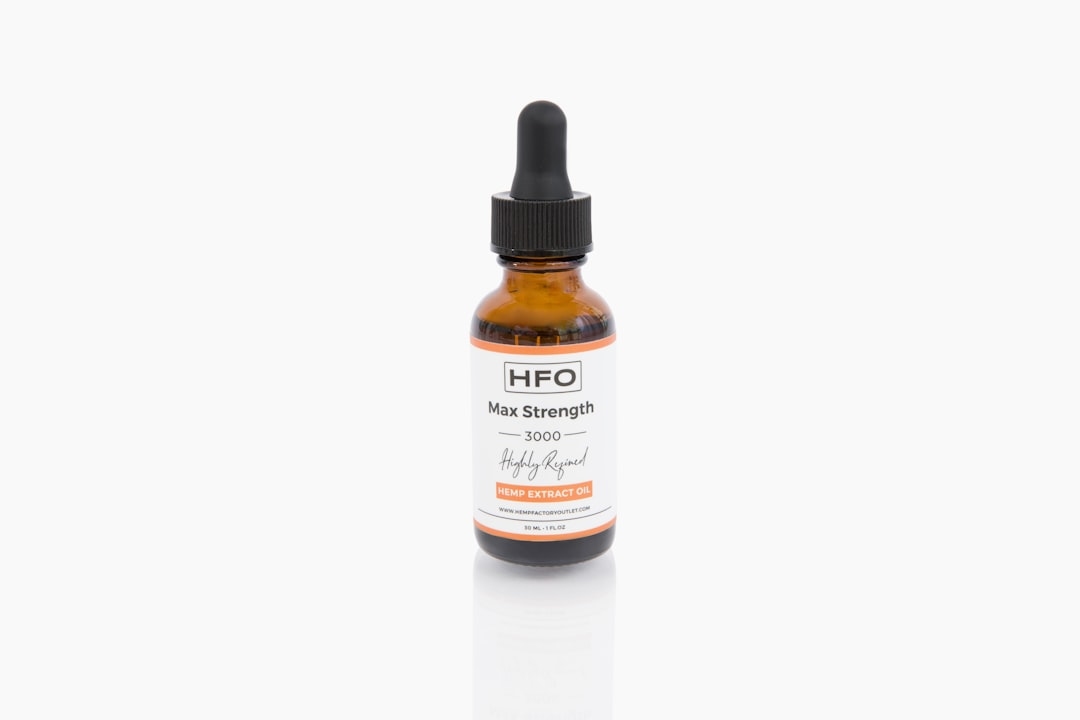
Apply minoxidil immediately after rolling (when the scalp is still slightly damp but not bleeding). The increased permeability from microneedling pushes minoxidil deeper and faster into follicles. Studies show this combination reduces regrowth time by 20 to 30%. A 0.75mm roller used twice weekly, followed by minoxidil, is a potent combination costing around £60 monthly (roller amortised plus minoxidil).
Derma Roller + Growth Serums
Serums containing peptides, growth factors, or caffeine penetrate far more effectively post-rolling. Many users apply a scalp serum immediately after rolling, allowing the increased permeability to pull nutrients deeper. Cost varies widely (£20 to £80 per serum), but the synergy is real.
Derma Roller + Finasteride
If you’re using finasteride (Propecia) orally, microneedling works synergistically. Finasteride blocks DHT; microneedling stimulates growth. Together, they address both the hormonal and growth-signalling angles of hair loss. Many dermatologists recommend combining them for pattern hair loss.
Derma Roller + PRP (Professional)
Platelet-rich plasma (PRP) therapy involves extracting your own blood, concentrating platelets, and injecting them into the scalp. When combined with professional microneedling (1.0mm to 1.5mm), the results are notably superior to either treatment alone. Clinics charge £600 to £1,200 per session. If you’re considering this route, professional microneedling is necessary.
Using Your Derma Roller Correctly: Size-Specific Technique
Needle depth means nothing without proper technique. Here’s how to roll correctly for each size category:
For 0.5mm to 0.75mm Rollers
- Cleanse your scalp thoroughly and pat dry. Allow 10 minutes for complete drying.
- Roll slowly in four directions (front to back, back to front, left to right, right to left) across the entire scalp. Each pass should take 30 to 60 seconds.
- Apply gentle pressure—about the weight of a pencil. You should see slight redness but no bleeding.
- Complete 4 to 6 passes per area. Total rolling time: 3 to 5 minutes.
- Apply your chosen treatment (minoxidil, serum, etc.) immediately.
- Avoid washing for at least 12 hours post-rolling.
For 1.0mm Rollers
- Cleanse and dry thoroughly. Wait 15 minutes.
- Apply a topical anaesthetic (optional but recommended) 20 minutes before rolling.
- Roll slowly, using minimal pressure. Aim for visible redness and occasional pinpoint bleeding—a few tiny blood specks are normal and indicate effective depth.
- Complete 2 to 3 passes per area. Total rolling time: 2 to 3 minutes. Less is more at this depth.
- Apply treatment immediately.
- Avoid washing for 24 hours. Avoid exercise or sweating for 24 to 48 hours.
- Use once weekly only. Never more frequent.
Frequency Guidelines
Size determines safe frequency. A 0.75mm roller used three times weekly is riskier than a 1.0mm roller used once weekly, because accumulated micro-injury without adequate recovery triggers chronic inflammation. Stick to these limits: 0.25mm (daily), 0.5mm (1–2x weekly), 0.75mm (2x weekly, minimum 3 days apart), 1.0mm (1x weekly maximum).
Common Mistakes When Choosing and Using Derma Rollers
Mistake 1: Assuming Bigger is Always Better
A 1.0mm roller isn’t superior to 0.75mm if you can’t tolerate weekly use or maintain consistency. Results depend on compliance, not depth alone. Many people achieve better outcomes with 0.75mm twice weekly than 1.0mm sporadically.
Mistake 2: Ignoring Hygiene
A contaminated roller introduces bacteria into micro-wounds, risking infection and folliculitis. Clean your roller in 70% isopropyl alcohol after every use. Replace it every 3 to 6 months, even if it appears fine.
Mistake 3: Expecting Instant Results
Hair regrowth takes time. Follicles must exit telogen phase, regenerate, and produce visible hair. Realistic timelines: 0.75mm shows results in 6 to 8 weeks; 1.0mm in 4 to 6 weeks. Patience is essential.
Mistake 4: Rolling Whilst Inflamed
If your scalp is sunburned, infected, or acutely irritated, skip rolling. You’re compounding the damage. Wait until the scalp is fully healed.
Mistake 5: Using a Cheap Roller
Dull needles bend rather than pierce, causing ragged wounds and poor results. Medical-grade rollers (look for ISO 13485 certification) cost £30 to £70 and outperform budget options dramatically.
Frequently Asked Questions
How long until I see hair regrowth with a derma roller?
Visible regrowth typically appears within 6 to 8 weeks with 0.75mm used twice weekly, or 4 to 6 weeks with 1.0mm used once weekly. Some users report increased scalp health and reduced shedding within 3 to 4 weeks.
Can I use a derma roller if I’m already taking minoxidil or finasteride?
Yes. In fact, combining microneedling with minoxidil or finasteride enhances results. Discuss with your doctor if you have concerns, but dermatologists commonly recommend this combination.
Is 0.75mm or 1.0mm better for hair regrowth?
Both work. 0.75mm is safer and suitable for twice-weekly use; 1.0mm triggers faster results but requires once-weekly-only frequency. Choose 0.75mm if you value consistency and tolerability; 1.0mm if you want aggressive stimulation and can commit to weekly sessions.
What’s the difference between derma rollers and professional microneedling?
Home derma rollers (0.25mm to 1.0mm) are safe for self-use but create less controlled trauma. Professional microneedling uses 1.5mm to 3.0mm needles under sterile conditions, often combined with PRP or growth serums, delivering superior results in fewer sessions. Professional treatment costs £300 to £1,000 per session; home rolling costs £40 to £70 total and can be sustained indefinitely.
Can I use a derma roller on other body areas to stimulate hair?
Yes, derma rollers work on beards, body hair, and eyebrows using the same principles. However, facial skin is more sensitive than scalp skin; use a shallower size (0.25mm to 0.5mm) on the face. Body areas tolerate similar sizes as the scalp (0.75mm to 1.0mm).
Final Verdict: Choosing Your Ideal Size in 2026
The data is clear: a 0.75mm derma roller represents the optimal entry point for most people pursuing hair regrowth at home. It’s deep enough to trigger meaningful follicle stimulation, safe for twice-weekly use, reasonably priced at £30 to £50, and shows results within 6 to 8 weeks. If your scalp is sensitive, begin with 0.5mm and upgrade after 6 weeks. If you’re aggressive and want faster regrowth, 1.0mm works brilliantly when used disciplined (once weekly only).
The single most important factor isn’t size—it’s consistency. A 0.75mm roller used faithfully twice weekly beats a 1.0mm roller abandoned after three weeks. Pair your chosen size with minoxidil, a quality scalp serum, or finasteride for synergistic results. Maintain strict hygiene. Give yourself 8 to 12 weeks before assessing. And remember: microneedling activates your scalp’s own healing machinery; you’re not forcing regrowth, you’re awakening dormant potential. Choose the size that fits your scalp, your commitment level, and your timeline—then roll with it.