Contents:
- Understanding What Hair Conditioner Actually Does
- Preparing Your Hair Before Conditioning
- Choose the Right Conditioner Type
- Prepare Your Hair Properly
- The Correct Technique for Applying Hair Conditioner
- Follow the Length, Not the Roots
- Distribute Evenly with a Comb
- Timing and Processing
- Standard Rinse-Out Conditioner
- Deep Conditioning Treatments
- Rinsing: The Step Most People Rush
- Common Mistakes to Avoid
- Tailoring Conditioning for Different Hair Types
- Fine or Straight Hair
- Thick or Curly Hair
- Damaged or Colour-Treated Hair
- Budget Breakdown: What You’ll Actually Spend
- Seasonal Adjustments and Special Considerations
- Frequently Asked Questions
- How often should I condition my hair?
- Can you leave conditioner in too long?
- Should I condition my roots?
- Is it possible to over-condition hair?
- What’s the difference between conditioner and leave-in conditioner?
- Moving Forward: Building Your Conditioning Routine
Many people believe that conditioner is essentially a waste of money—just unnecessary product that does little more than strip moisture from your wallet. This widespread misconception costs countless people the chance to have genuinely healthy, resilient hair. The truth? Hair conditioner is far more nuanced than simply squirting it on and rinsing it off. When applied correctly, it transforms your hair’s texture, shine, and longevity in ways that shampoo alone simply cannot achieve. This guide reveals the science-backed approach to using hair conditioner that actually works.
Understanding What Hair Conditioner Actually Does
Conditioner operates on a fundamentally different principle than shampoo. While shampoo strips away dirt, oils, and product buildup, conditioner replenishes moisture and seals the hair cuticle. The outer layer of your hair shaft—called the cuticle—comprises overlapping cells similar to roof tiles. When these lay flat, light reflects uniformly, creating shine. When they’re raised or damaged, your hair appears dull and frizzy.
The primary active ingredients in conditioner include silicones, humectants, and emollients. Silicones coat the hair shaft, creating smoothness and shine. Humectants like glycerin draw moisture into the hair from the surrounding environment. Emollients such as oils and fatty alcohols soften and smooth the cuticle. Understanding this chemistry explains why application technique matters so much—you’re literally coating and conditioning specific hair structures.
Preparing Your Hair Before Conditioning
Choose the Right Conditioner Type
Not all conditioners serve the same purpose. Rinse-out conditioners are daily products designed for mild conditioning. Deep conditioning treatments, typically costing £8–£25 per application, provide intensive moisture and repair. Leave-in conditioners remain in your hair and are ideal for dry, curly, or damaged hair. Clarifying conditioners remove product buildup without stripping colour.
A real-world example: Sarah, a DIY enthusiast who regularly dyes her own hair at home, noticed her lengths becoming straw-like and brittle. She initially blamed her shampoo and constantly switched brands. After switching to a weekly deep conditioning treatment (costing her approximately £3 per use) whilst keeping her regular conditioner unchanged, her hair regained elasticity within four weeks. The difference wasn’t her shampoo—it was that her hair needed heavier conditioning than her daily rinse-out formula could provide.
Prepare Your Hair Properly
Conditioning works best on damp, not dripping wet, hair. Excess water dilutes the conditioner, reducing its efficacy. After shampooing, gently squeeze water from your lengths and ends with your hands—avoid wringing or twisting, which causes breakage. Your hair should feel wet but not dripping.
The Correct Technique for Applying Hair Conditioner
Follow the Length, Not the Roots
This is perhaps the single most critical mistake people make. Most people apply conditioner to their entire head, including the scalp and roots. Your scalp produces sebum (natural oils) continuously. Conditioning it adds unnecessary weight and greasiness. Instead, apply conditioner only to the mid-lengths and ends of your hair—typically the bottom two-thirds of your hair shaft.
To apply correctly: Dispense a palm-sized amount of conditioner (approximately 10–15ml for shoulder-length hair). Rub it between your palms to distribute it evenly. Beginning roughly 10cm below your roots, smooth the conditioner downwards along your hair lengths, working through to the ends. Pay special attention to the final 15cm of your hair, which experiences the most damage from styling, weather, and general wear.
Distribute Evenly with a Comb
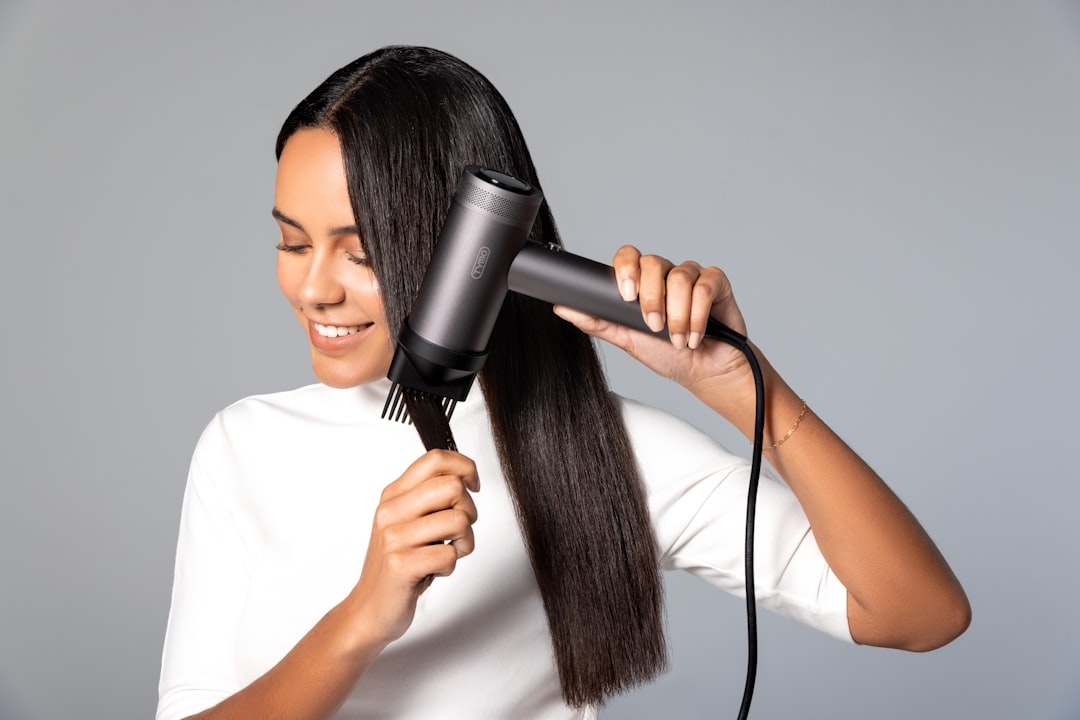
After applying conditioner, use a wide-tooth comb to distribute it throughout your hair. This achieves two things: it ensures every section receives proper conditioning, and it detangles your hair gently whilst the conditioner acts as a lubricant, reducing breakage. Start at the ends and work upwards, gradually releasing knots. For curly or textured hair, use your fingers instead of a comb to avoid disrupting your natural curl pattern.
Timing and Processing
Standard Rinse-Out Conditioner
Most daily conditioners require only 1–3 minutes of processing time. Longer doesn’t mean better. In fact, leaving rinse-out conditioner on for extended periods can create buildup and weigh hair down. Set a timer or count to 60–180 seconds. This is the sweet spot where the conditioner has sufficient time to penetrate and coat the hair without overdoing it.
Deep Conditioning Treatments
Deep conditioners and hair masks function differently. These are designed to sit on hair for extended periods—typically 10–20 minutes, or even overnight for intensive treatments. Some formulations, particularly protein-based ones, can remain on hair for 30 minutes. Always check your product’s instructions. Deep conditioning once weekly or fortnightly is sufficient for most hair types. For severely damaged hair, twice weekly is reasonable but more isn’t necessary and may cause protein buildup.
Rinsing: The Step Most People Rush
Rinsing properly is as important as applying the conditioner. Use lukewarm or cool water—not hot water, which raises the cuticle and allows conditioner residue to remain trapped. Lukewarm water opens the cuticle slightly, whilst cool water seals it shut, trapping moisture inside and creating shine.
Rinse thoroughly until the water runs clear and you feel no slickness between your fingers. Incomplete rinsing leaves conditioner residue that weighs hair down, creates greasiness, and dulls shine. Allocate at least 30 seconds to thorough rinsing, longer for thick or long hair. Some people find a final cool rinse (just 10–15 seconds of cold water) dramatically improves shine and frizz control.
Common Mistakes to Avoid
Understanding what not to do is equally valuable as knowing the correct method. Here are the most frequent conditioning errors:
- Applying conditioner to the scalp: This creates greasiness and buildup within 1–2 days. Scalp oil migration naturally conditions the roots over time.
- Using too much product: A palm-sized amount suits most hair lengths. Using more doesn’t improve results and wastes money—you’re looking at £15–£40 per month in unnecessary product waste for average users.
- Leaving conditioner on indefinitely: Rinse-out conditioners need only minutes. Longer doesn’t deliver better results; it simply clogs your drains and wastes product.
- Using hot water to rinse: Hot water raises the cuticle, allowing conditioner to escape and preventing proper sealing. Lukewarm or cool water is essential.
- Conditioning overly frequently: Daily conditioning is fine for very dry or damaged hair, but fine or straight hair often becomes greasy with daily conditioning. Twice weekly to every other wash is typical for most people.
- Ignoring product type compatibility: Using a heavy conditioner formulated for thick curls on fine, straight hair will create greasiness. Match your conditioner to your hair type and texture.
Tailoring Conditioning for Different Hair Types
Fine or Straight Hair

Fine hair needs lightweight conditioning to avoid flatness and greasiness. Apply conditioner only to the ends (final 5–8cm), avoid the mid-lengths, and process for 1–2 minutes only. Consider conditioning twice weekly rather than daily. Silicone-free conditioners often work better for fine hair as they’re less likely to accumulate and weigh hair down.
Thick or Curly Hair
Curly and textured hair thrives with heavier conditioning. Apply conditioner generously to mid-lengths and ends, and consider using it more frequently—even daily for very dry curls. Protein-rich conditioners help strengthen curls and reduce frizz. Deep conditioning weekly is typically beneficial.
Damaged or Colour-Treated Hair
Damaged hair benefits from deep conditioning weekly. Protein-based treatments (£5–£15 per use) help rebuild hair structure. Use gentle conditioning techniques and avoid high heat whilst your hair repairs. For colour-treated hair, colour-safe conditioners preserve vibrancy by coating the cuticle without lifting colour molecules.
Budget Breakdown: What You’ll Actually Spend
Understanding conditioning costs helps you invest wisely. A typical 250ml bottle of daily conditioner costs £4–£10 and lasts approximately 30–45 days with proper application amounts (not excessive squirting). This equates to roughly £3–£7 monthly on daily conditioning.
Deep conditioning treatments range from budget options at £3–£5 per application to premium treatments at £15–£25 per use. A weekly treatment means £12–£100 monthly, depending on your choices. Many DIY enthusiasts create cost-effective deep treatments using natural ingredients—coconut oil, avocado, honey, and eggs—for under £2 per application.
Strategic conditioning—daily rinse-out conditioner plus weekly deep conditioning—totals approximately £15–£30 monthly, creating noticeably healthier hair within 6–8 weeks.
Seasonal Adjustments and Special Considerations
Your conditioning needs shift seasonally. During winter, when central heating dries air and cold temperatures damage hair, increase conditioning frequency and intensity. Summer sun exposure, salt water, and chlorine all damage the cuticle, requiring more protective conditioning.
If you regularly use heat styling tools, condition more frequently. Each blow-dry or straightening session raises the cuticle and removes moisture. People styling hair daily should deep condition weekly, those styling 2–3 times weekly can manage fortnightly.
Frequently Asked Questions
How often should I condition my hair?
Daily conditioning works for very dry, curly, or damaged hair. Most people benefit from conditioning with every wash. If you shampoo daily, condition daily. If you shampoo every other day, condition every other day. Fine or straight hair may prefer conditioning alternate washes to prevent greasiness.
Can you leave conditioner in too long?
Rinse-out conditioners shouldn’t remain on hair for more than 3–5 minutes. Extended processing doesn’t improve results and wastes product. Deep conditioning treatments can remain 10–30 minutes depending on formulation. Never leave rinse-out conditioner overnight; deep treatments specifically formulated for extended wear can occasionally be left overnight, but most aren’t designed for this.
Should I condition my roots?
No. Your scalp produces sebum, providing natural conditioning to roots. Conditioning roots causes greasiness, flatness, and buildup. Apply conditioner from roughly 10cm below the roots downwards to the ends only.
Is it possible to over-condition hair?
Yes, but it takes regular effort. Using excessive quantities daily, leaving standard conditioner on for extended periods, or conditioning very fine hair heavily causes greasiness, flatness, and product buildup. If your hair feels limp or greasy, reduce conditioning frequency or quantity before increasing anything else.
What’s the difference between conditioner and leave-in conditioner?
Rinse-out conditioner contains ingredients that work best with water and require rinsing. Leave-in conditioner formulations are designed to remain in dry hair and typically contain lighter conditioning agents that don’t require rinsing. Use rinse-out conditioner during washing; use leave-in conditioner on damp hair after towel-drying if your hair needs extra protection or smoothing.
Moving Forward: Building Your Conditioning Routine
Proper conditioning transforms hair texture and appearance within 4–6 weeks, though noticeable improvements begin within days. Start by identifying your hair type and current damage level. Choose a daily rinse-out conditioner suited to that type (budget £4–£10 per bottle) and apply it only to mid-lengths and ends for 2–3 minutes after every shampoo. Add a weekly deep conditioning treatment (£3–£15 per application) on your shower day, processing for 10–20 minutes. These two simple additions cost under £25 monthly and deliver measurable improvements: enhanced shine, reduced frizz, increased elasticity, and healthier-looking hair overall.
Track your results over eight weeks. Photograph your hair from the same angle and lighting at week zero and week eight—the difference becomes undeniable. Once you’ve established this foundation, experiment with adjustments based on your specific needs, whether that’s increasing conditioning frequency during winter, adding targeted treatments for heat-damaged sections, or testing different formulations. Conditioning isn’t complicated, but it does require consistency and proper technique. Master these fundamentals, and you’ll maintain genuinely healthy hair for years ahead.