Contents:
- Understanding Hair Structure and Curl Formation
- Heat-Based Curling Methods
- Curling Irons and Their Barrel Sizes
- Hot Rollers as an Alternative
- Heatless Curling Methods
- Braiding and Twisting Techniques
- The Sock Roll Method
- Preparing Hair for Curling Success
- Pre-Curl Hair Treatment
- Styling Products for Enhanced Hold
- Common Beginner Mistakes and How to Avoid Them
- Comparing Curling Methods: Heat vs. Heatless
- Troubleshooting Curl Problems
- Curls That Won’t Hold
- Frizz and Flyaways
- Seasonal Adjustments for Consistent Results
- Frequently Asked Questions
- How long should I hold a curling iron in place?
- Is it better to curl damp or dry hair?
- Can I curl fine or thin hair?
- What’s the difference between waves and curls?
- How often can I curl my hair without damaging it?
Around 65% of women in the UK attempt heat-styling techniques at least once monthly, yet the vast majority have never received formal training. Hair curling remains one of the most misunderstood beauty practices, with countless myths preventing people from achieving the results they want.
Understanding Hair Structure and Curl Formation
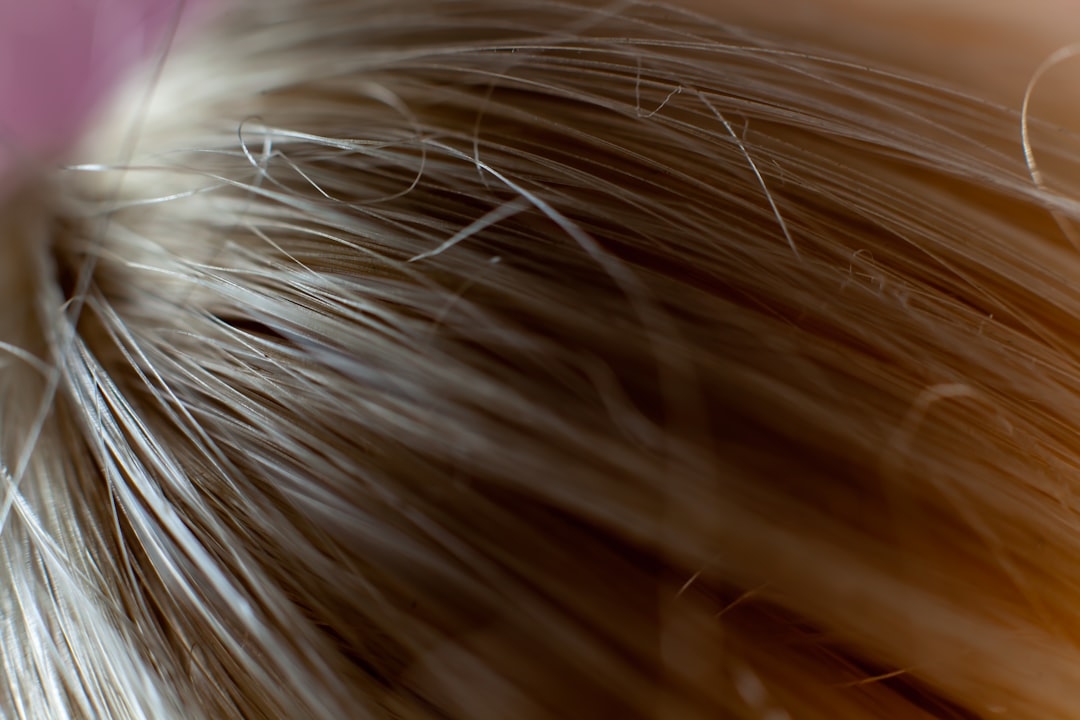
Before attempting any curling method, understanding how hair actually curls proves essential. Each strand contains a protein called keratin arranged in a particular pattern. When you apply heat or moisture to reshape these proteins temporarily, the hair takes on a new form. This is the fundamental mechanism behind all curling techniques.
Hair porosity—its ability to absorb and retain moisture—directly affects how well curls hold. Low-porosity hair has a tightly sealed cuticle layer and resists moisture absorption. Medium-porosity hair balances absorption and retention effectively. High-porosity hair absorbs moisture quickly but struggles to keep it, resulting in frizz and reduced curl longevity. Identifying your hair’s porosity type determines which curling methods and products work best for you.
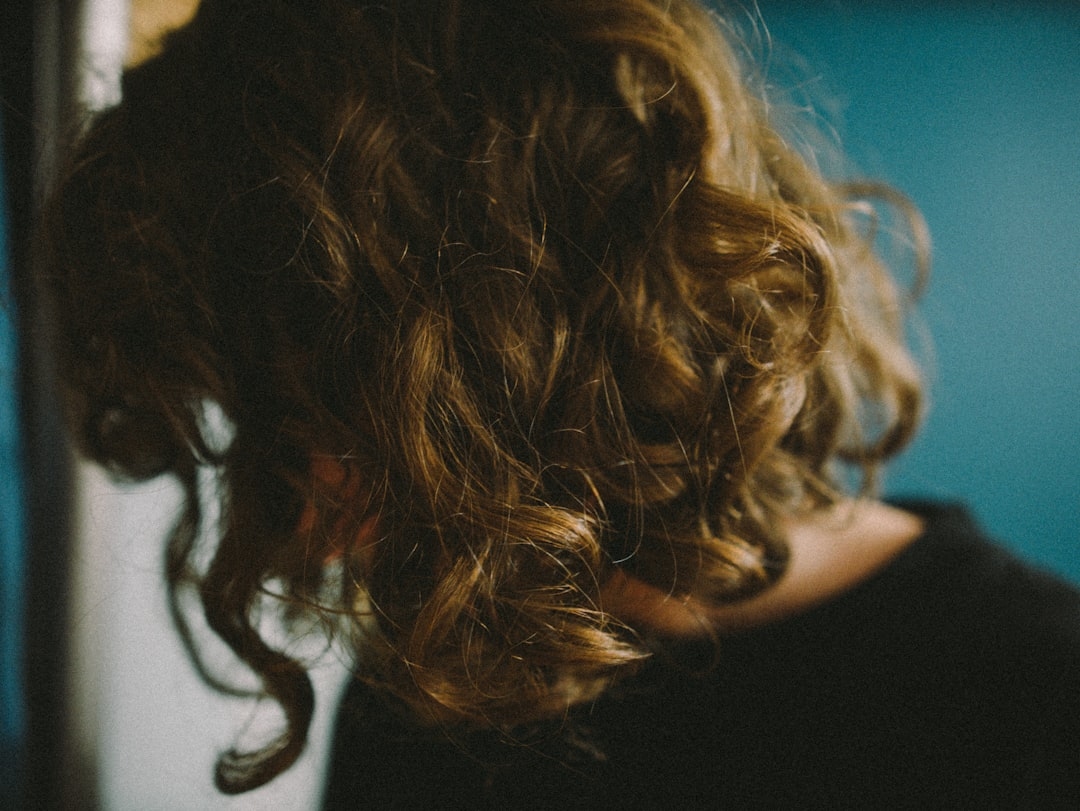
The two main curl patterns people seek are wave and spiral curls. Waves create soft, gentle bends at a wider radius. Spirals wind tightly around the hair shaft, creating more defined and dramatic shapes. Neither is superior—they simply suit different face shapes, occasions, and personal preferences.
Heat-Based Curling Methods
Curling Irons and Their Barrel Sizes
Curling irons work by wrapping damp or dry hair around a heated barrel, setting the temporary curl shape through heat. Barrel size determines curl tightness: a 19mm barrel creates tight, defined spirals ideal for short hair or dramatic curls, whilst a 32mm barrel produces looser waves suitable for longer styles. Most beginners benefit from a 25mm barrel, offering versatility across various lengths.
Temperature settings matter considerably. Fine or damaged hair should never exceed 150°C. Medium-textured hair handles 175–200°C safely. Thick, coarse, or textured hair may require 200–220°C for effective styling. UK retailers stock quality curling irons from brands like GHD (prices typically £100–£180) and BaByliss (£40–£80) that include adjustable temperature controls essential for beginners.
Technique is straightforward: section hair into 2-4cm wide pieces, clamp the iron near the roots, and rotate away from your face whilst gliding downward. Hold each section for 8–12 seconds. This creates natural, face-flattering waves rather than tight coils.
Hot Rollers as an Alternative
Hot rollers differ fundamentally from curling irons. Rather than manually wrapping each section, you wind hair onto heated cylindrical rollers, which cool whilst holding the curl shape. This hands-free method suits people who find the curling iron technique awkward or want fuller volume through the roots.
Rollers come in various diameters. Larger rollers (32mm–40mm) create gentle waves; smaller rollers (16mm–20mm) produce tighter, bouncier curls. The process requires roughly 15–20 minutes for rollers to heat and an additional 15–30 minutes for cooling, which actually benefits curl longevity compared to irons.
A significant advantage of hot rollers: they work on both dry and damp hair, making them accessible for different routines. The disadvantage is less control over individual curl shape, making them slightly less suitable for beginners wanting precision styling.
Heatless Curling Methods
Braiding and Twisting Techniques
The heatless approach to curling uses moisture and time instead of temperature. Braiding damp hair creates soft, undulating waves. The technique involves sectioning damp (not soaking) hair, braiding each section loosely, and leaving the braids in overnight or for 4–6 hours. When removed, waves flow naturally without frizz or heat damage.
This method works particularly well for fine or damaged hair and poses zero risk of heat damage. The primary drawback: waves are gentler than heat-created curls, and the wait time is substantially longer. However, curls created through braiding often hold longer because they’re not forced by heat into an unstable shape.
Twisting uses identical principles. Instead of braiding, you twist damp hair sections around your finger, secure with a pin, and allow to dry. This produces tighter spirals than braiding, offering more definition whilst maintaining the heatless advantage.
The Sock Roll Method
This budget-friendly technique uses old socks as curl formers. Cut a sock vertically, creating a fabric tube. Wrap damp hair around the sock, securing the ends, and sleep in the sock curlers overnight. The fabric is gentler on hair than plastic rollers, making this particularly suitable for sensitive scalps or those with fragile hair.
Results depend heavily on hair thickness and length. Fine, shoulder-length hair typically achieves beautiful waves within 6–8 hours. Thick, long hair may require 10+ hours. The method costs essentially nothing (using materials already in your home), making it ideal for budget-conscious beginners wanting to experiment before purchasing professional tools.
Preparing Hair for Curling Success
Pre-Curl Hair Treatment
Hair condition dramatically affects curl success. Dry, damaged hair resists curling and loses shape quickly. Applying a hydrating conditioner or leave-in treatment 30 minutes before curling improves moisture levels, allowing curls to set more effectively. For those with very dry hair, a light oil applied to mid-lengths and ends (avoiding roots) adds slip for easier manipulation without affecting hold.
Dryness also differs seasonally. During winter months (November–February), central heating indoors creates extremely dry conditions affecting both skin and hair. Increasing treatment frequency during these months prevents the brittleness that makes curls difficult to achieve. Conversely, summer humidity (June–August) actually helps curls set faster, particularly for heatless methods.
Styling Products for Enhanced Hold
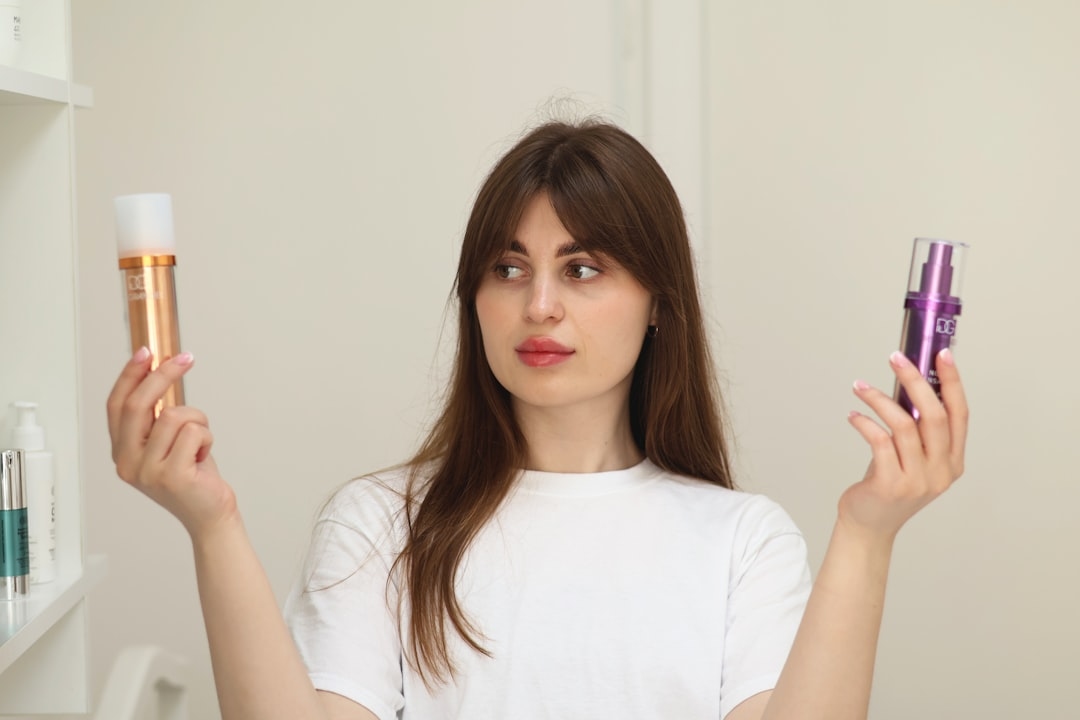
A lightweight styling mousse applied to damp hair before curling sets a foundation for longer-lasting waves. Mousse, unlike heavier gels, adds hold without creating stiff, crunchy texture. Apply from roots to mid-lengths, avoiding the very ends where it can weigh curls down.
After creating curls (whether through heat or heatless methods), a flexible hold hairspray sets the shape. UK supermarkets stock numerous options: budget-friendly choices like Boots’ own-brand hairspray (£2–£4) work adequately, whilst professional-grade sprays like Tresemmé or Batiste (£4–£6) offer slightly better longevity. Apply hairspray whilst curls are still warm (if using heat methods) for optimal setting.
Common Beginner Mistakes and How to Avoid Them
The most frequent error beginners make is attempting to curl soaking wet hair with a curling iron. Water and extreme heat create steam, which can damage the hair cuticle and cause frizz. Hair should be at least 80–90% dry before heat styling. A quick blast with a blow dryer removes excess moisture without over-drying.
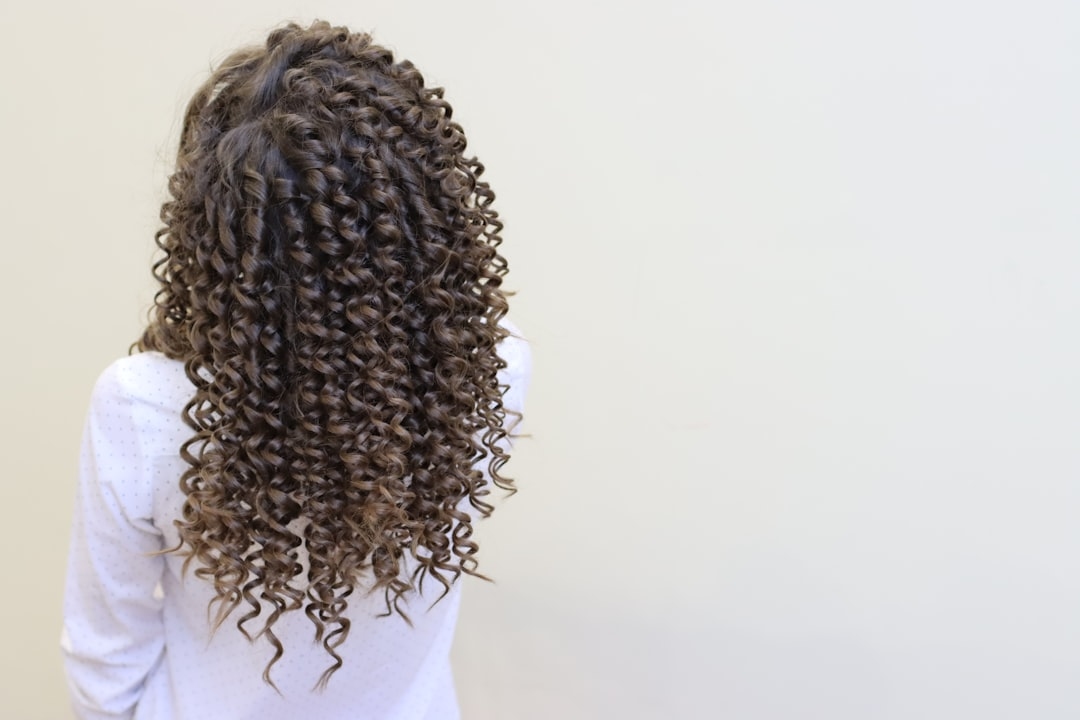
A second common problem: wrapping hair too loosely around the barrel. Hair requires tension to hold shape. When wrapping, maintain moderate tautness as you wind hair around the iron, then hold the position while heat sets the curl. Loose wrapping produces weak, droopy waves that fall flat within hours.
Third, many beginners curve the curling iron downward (creating an inward curl) when they actually prefer outward-facing waves. The direction you twist the iron matters significantly. Twisting away from your face creates an outward curl that frames features more flattering; twisting toward your face creates inward curls suited to different styles. Practice both to discover your preference.
Comparing Curling Methods: Heat vs. Heatless
Heat-based methods create curls faster (typically 20–40 minutes total) with tighter, more defined results. The trade-off: repeated heat exposure can damage hair, particularly fine or previously coloured strands. Heat methods suit those wanting immediate results or styling for specific occasions.
Heatless methods take considerably longer (4–12+ hours) and produce gentler, more natural-looking waves. The benefit: zero damage risk and curls often outlast heat-set waves because the shape isn’t forced by temperature. Heatless methods suit those with regular styling routines willing to plan ahead, and those prioritising hair health over speed.
A sustainable approach? Combine both. Use heatless methods for everyday, casual waves, reserving heat styling for events or occasions when tighter, more polished curls matter. This balanced strategy minimises heat damage whilst maintaining styling flexibility.
Troubleshooting Curl Problems
Curls That Won’t Hold
If curls fall flat within hours, three factors likely contribute. First, hair wasn’t thoroughly dry before styling (if using heat). Second, no styling product was used—mousse or spray dramatically improves hold duration. Third, hair porosity may be too high, meaning moisture escapes quickly. For high-porosity hair, apply a smoothing serum before curling to seal the cuticle.
Additionally, if using heat methods, ensure the iron was truly hot enough and the curl was held in position long enough. Many beginners release the curl too quickly, before the protein structure has fully reset. A good rule: hold the iron position for at least 10 seconds on fine hair, 12–15 seconds on thick hair.
Frizz and Flyaways
Frizz typically results from either humidity (moisture entering the hair and disrupting the set curl) or damage (raised cuticles allowing moisture in). A frizz-control serum applied after styling creates a protective barrier. Look for silicone-based serums at supermarkets (typically £4–£8) or natural alternatives like argan oil for a lighter feel.
If frizz appears immediately after curling (within minutes), the hair wasn’t fully dry before styling or the curls haven’t cooled completely. Let heat-set curls cool for 5–10 minutes before handling, and always completely dry hair before applying heat.
Seasonal Adjustments for Consistent Results
Winter styling (November–February) demands adjustments due to dry indoor air and temperature fluctuations. Increase hydrating treatments to twice weekly, and consider switching to heatless methods to avoid compounding dryness. If using heat, lower temperature settings by 25°C and apply heat protectant spray.
Spring and autumn (March–May, September–October) present moderate conditions ideal for trying new curling methods or experimenting with technique. Summer (June–August) brings humidity that naturally helps curls set and hold longer, making it the easiest season for beginners. Autumn humidity decreases, requiring more product support for hold.
Frequently Asked Questions
How long should I hold a curling iron in place?
Hold the curling iron in place for 8–12 seconds on fine hair, 12–15 seconds on medium hair, and 15–20 seconds on thick or coarse hair. The exact time depends on barrel size, temperature, and individual hair texture. Start at the lower end and extend if curls aren’t holding.
Is it better to curl damp or dry hair?
Damp hair (80–90% dry) typically produces the best results with heat methods. It contains enough moisture for the curl to set properly without creating frizz-causing steam. Heatless methods require fully damp or wet hair to reshape effectively.
Can I curl fine or thin hair?
Yes, absolutely. Fine hair curls beautifully but requires lower heat settings (150°C maximum) and lighter products that won’t weigh curls down. Heatless methods work particularly well for fine hair, producing lasting waves with zero damage risk.
What’s the difference between waves and curls?
Waves are gentle, undulating bends created by larger barrel irons or braiding. Curls are tighter, more defined spirals created by smaller barrels or tight twists. The terminology overlaps casually, but technically waves bend and curls spiral.
How often can I curl my hair without damaging it?
Heat styling 2–3 times weekly is generally safe for healthy hair with proper heat protectant products. Those with fine, damaged, or previously coloured hair should limit heat to once weekly or switch to heatless methods. Prioritise a weekly deep conditioning treatment if heat styling regularly.
Mastering how to curl your hair for beginners isn’t about having naturally curly hair or expensive tools—it’s about understanding your specific hair type, choosing appropriate methods, and practising proper technique. Start with whichever method appeals most: heat for faster results, or heatless for damage-free experimentation. Both paths lead to beautiful curls. The key is consistent practice and willingness to adjust your approach based on how your unique hair responds.