Contents:
- Understanding IPL: The Science Behind the Light
- How IPL Differs from Laser Hair Removal
- The Treatment Process: What to Expect
- Before Your First Session
- During the Treatment
- Immediate Aftercare
- Who Benefits Most From IPL?
- A Real-World Story: Finding the Right Treatment
- Cost Considerations in the UK Market
- Potential Side Effects and Risks
- IPL vs. Other Hair Removal Methods
- Preparing Yourself for Success
- Frequently Asked Questions
- Is IPL hair removal permanent?
- Does IPL work on all skin types?
- How long does it take to see results?
- Can I use IPL at home?
- What skin conditions contraindicate IPL?
- Moving Forward with Confidence
Many people believe that IPL hair removal is a type of laser treatment. It isn’t. While the two technologies share some similarities, they work in fundamentally different ways—and understanding this distinction matters when deciding which treatment suits your skin and budget. Let’s set the record straight about what IPL hair removal actually is and how it can transform your approach to unwanted hair.
Understanding IPL: The Science Behind the Light
IPL stands for Intense Pulsed Light—a technology that’s been used in dermatology since the 1990s. Unlike laser treatment, which emits a single, focused wavelength of light, IPL devices produce multiple wavelengths of light energy across a broader spectrum. Think of it this way: if laser is like a spotlight shining one colour, IPL is like a floodlight emitting several colours at once.
The mechanism is elegantly simple. When you use an IPL device, the light pulses penetrate through the skin’s outer layers and get absorbed by melanin—the dark pigment in your hair. This absorption generates heat, which damages the hair follicle at the root without significantly affecting the surrounding skin. The heat essentially disables the follicle’s ability to produce new hair, though results are rarely permanent after a single treatment.
The procedure typically involves short bursts of light applied across the skin’s surface, often through a handheld device. Each pulse lasts only milliseconds, but that’s enough time to heat the follicle to temperatures exceeding 70 degrees Celsius. Over multiple sessions—usually 4 to 6 treatments spaced 4 to 6 weeks apart—follicles gradually stop producing new hair. Most people see a 70 to 90 percent reduction in hair growth, though this varies based on hair colour, skin type, and the specific device used.
How IPL Differs from Laser Hair Removal
Since IPL and laser treatments often get confused, it’s worth clarifying the key differences. Laser uses a single, precise wavelength of light energy, typically delivered by a device with a smaller treatment window. This concentrated energy makes laser particularly effective but also more intense—and sometimes more expensive.
IPL’s broader light spectrum covers a larger treatment area per pulse, which means faster sessions and lower costs. However, this spread also means less concentrated energy hitting each follicle, which is why IPL typically requires more sessions to achieve comparable results. Both technologies work best on darker hair, as the follicle needs enough pigment to absorb the light effectively.
For someone with fine blonde hair and fair skin, IPL might deliver disappointing results. For someone with dark hair on lighter skin, both treatments work well—but IPL will be gentler on the wallet at £150 to £300 per session, compared to laser’s typical £200 to £400 per session.
The Treatment Process: What to Expect
Before Your First Session
Preparation is straightforward. Avoid sun exposure for at least two weeks before treatment, as sunburn increases the risk of complications like blistering. Shave the treatment area 24 hours before your appointment—shaving removes hair above the skin while leaving the root intact, which is essential for IPL to work. Never wax or pluck beforehand, as removing the entire hair eliminates the pigment the light needs to target.
Your practitioner will likely ask you to avoid certain medications like retinoids and NSAIDs for a week prior to treatment, as these can increase skin sensitivity. If you have a history of cold sores, mention this—you might be prescribed preventative medication.
During the Treatment
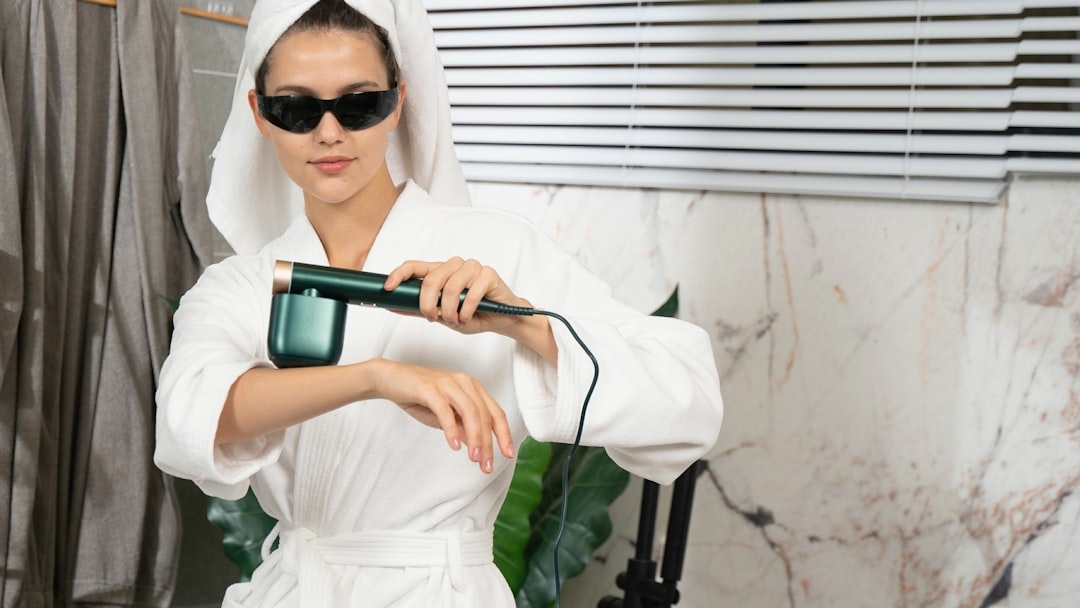
The session itself is relatively quick. A small area of the face takes 10 to 15 minutes; larger areas like the legs might take 30 to 45 minutes. You’ll wear protective eyewear to shield your eyes from the light pulses. The practitioner applies a cooling gel to your skin, then guides the IPL handpiece across the area in overlapping passes.
Most people describe the sensation as a warm snap, similar to a rubber band flicked against the skin. It’s rarely painful enough to require anaesthetic, though some clinics offer topical numbing cream for sensitive areas like the bikini line or upper lip.
Immediate Aftercare
Your skin might appear slightly pink or flushed immediately after treatment—this typically fades within a few hours. You might notice the treated hairs darken slightly over the next few days; this is actually a positive sign that the follicles are responding. Many of these darkened hairs will shed naturally within 7 to 14 days.
Avoid hot baths, saunas, intense exercise, and direct sunlight for at least 48 hours after treatment. Use a broad-spectrum SPF 50+ sunscreen for at least two weeks. Apply soothing moisturiser or aloe vera gel to calm any irritation. If blistering, severe redness, or unusual bruising develops, contact your practitioner immediately.
Who Benefits Most From IPL?
IPL works best on individuals with darker hair and lighter to medium skin tones. The contrast between hair pigment and skin tone is crucial—the device needs to distinguish the follicle from the surrounding tissue. Someone with dark hair and fair skin typically sees excellent results in 4 to 6 sessions.
People with very dark skin tones face a complication: the device’s light can be absorbed by the skin itself rather than just the hair follicle, increasing the risk of burns. Modern IPL devices have settings tailored for darker skin, but these typically require longer wavelengths and fewer pulses per second, sometimes making treatments less effective or requiring more sessions.
Red, blonde, and grey hairs contain little to no melanin, making them extremely difficult for IPL to target. In these cases, electrolysis—a different technology using electrical current rather than light—remains the more reliable option.
A Real-World Story: Finding the Right Treatment
Sarah, a 34-year-old from Manchester, had struggled with dark facial hair since her twenties. She’d spent years on expensive razors and creams that promised miracles but delivered temporary relief. When she finally tried IPL at a reputable clinic in 2024, she was sceptical—previous treatments had disappointed her. After three sessions spread over four months, she noticed a marked difference. By session six, she’d reduced her daily shaving routine to once or twice a week. “I wish I’d done it years ago,” she reflected. “It’s not perfect—a few fine hairs still grow back—but it’s transformed how much time I spend thinking about hair removal.” Sarah’s experience reflects a common pattern: realistic expectations and consistency with follow-up sessions lead to genuine satisfaction.
Cost Considerations in the UK Market
IPL treatment costs vary significantly across the UK. A single session for a small area like the upper lip typically costs £80 to £150. Full-face treatments range from £150 to £300 per session. Larger areas—legs, back, or full body—cost £250 to £500 per session.
Since most people require 6 to 8 sessions for optimal results, expect a total investment of £480 to £2,400 for facial hair removal, depending on the area size and clinic location. London clinics tend to be pricier than regional alternatives. Many clinics offer package deals—purchasing four to six sessions upfront can reduce the cost by 10 to 20 percent.
Maintenance sessions are typically needed every 6 to 12 months after the initial series, costing £80 to £150 each, as some hair follicles eventually regrow over time.
Potential Side Effects and Risks
IPL is generally safe when performed by trained professionals, but complications can occur. Temporary redness, swelling, and mild blistering affect fewer than 5 percent of treatments. Hyperpigmentation—darkening of the treated area—occurs more frequently in darker skin tones and usually resolves within weeks.
Rare but more serious risks include permanent scarring, changes in skin texture, or patches of pigmentation loss. These complications are almost always linked to improper technique, incorrect device settings for the client’s skin type, or failure to follow aftercare instructions.
People with certain medical conditions—such as lupus, porphyria, or photosensitivity disorders—should avoid IPL entirely. Similarly, if you’re taking medications that increase light sensitivity (like some antibiotics or anti-inflammatory drugs), discuss this with your practitioner beforehand.
IPL vs. Other Hair Removal Methods
How does IPL compare to other popular options? Razors are cheap and immediate but require constant maintenance. Waxing lasts 3 to 6 weeks but is painful and can cause ingrown hairs. Depilatory creams work for days at a time but often cause irritation and have a distinctive smell.
Electrolysis targets individual hairs using electrical current and suits fine or light-coloured hair that IPL can’t address. It’s slower, more expensive (£30 to £75 per hour), and slightly painful, but it’s the only FDA-approved method of permanent hair removal.
Prescription creams like eflornithine (Vaniqa) slow hair growth by 60 percent over three months, costing £15 to £40, but results stop once you discontinue use. They work best for small areas like facial hair.
For most people with medium to dark hair seeking long-term results, IPL offers a compelling middle ground—more effective than razors or creams, more affordable than laser, and requiring less commitment than electrolysis.
Preparing Yourself for Success
To maximise IPL results, start with realistic expectations. You’re not aiming for permanent hair removal—you’re aiming for significant reduction. Track your progress with photos taken under consistent lighting before your first session and after every two treatments. This visual record helps you appreciate changes that might feel subtle week to week.
Choose a reputable clinic. Check whether practitioners are trained and certified, whether they offer a patch test beforehand, and whether they tailor settings to your specific skin type. Clinics that use newer IPL devices (manufactured after 2020) often deliver better results with fewer side effects.
Commit to the full course of treatment. Skipping sessions or stopping early will limit results. Spacing sessions too far apart (beyond 8 weeks) reduces effectiveness, as the follicle cycle disruption is partially lost.
Frequently Asked Questions
Is IPL hair removal permanent?
IPL is not permanent, but it’s long-lasting. Most people see 70 to 90 percent hair reduction after the full course of treatment, with results lasting 6 to 12 months. Many follicles do eventually regrow, requiring maintenance sessions. However, regrowing hair is often finer and lighter than the original, and regrowth rates slow over time.
Does IPL work on all skin types?
IPL works best on fair to medium skin with dark hair. It’s less effective and carries higher burn risks on very dark skin tones, though modern devices with appropriate settings improve safety. It’s ineffective on red, blonde, or grey hair regardless of skin tone, as these lack sufficient melanin.
How long does it take to see results?
Results develop gradually. You might notice reduced regrowth after 2 to 3 sessions (8 to 12 weeks), but optimal results typically appear after 6 to 8 sessions (5 to 6 months). Patience is essential—IPL isn’t a quick fix.
Can I use IPL at home?
Home IPL devices exist and are less expensive (£100 to £400) than professional treatments. However, they’re typically weaker than professional systems and require more sessions. Professional treatments remain superior for consistent, noticeable results, though home devices suit people on tight budgets or those wanting gradual, private treatment.
What skin conditions contraindicate IPL?
Avoid IPL if you have active herpes simplex, severe acne (especially if taking Accutane), lupus, photosensitivity disorders, or certain types of eczema. If you’re pregnant, most practitioners recommend postponing treatment. Always disclose your full medical history and current medications to your practitioner.
Moving Forward with Confidence
IPL hair removal offers a practical solution for people seeking significant, lasting reduction in unwanted hair growth. It’s neither a miracle cure nor a permanent fix, but for those with suitable hair and skin types, it delivers genuine results that most other methods can’t match. The key is understanding what the technology can and can’t do, choosing a qualified practitioner, and committing to the full treatment course.
If you’re considering IPL hair removal, start by assessing whether you’re a good candidate—dark hair and lighter skin are ideal, while light-coloured hair suggests exploring alternatives. Request a consultation with a reputable clinic, ask about their device and practitioner qualifications, and discuss realistic timelines and costs. With informed expectations and professional guidance, IPL can genuinely simplify your grooming routine and boost your confidence.